
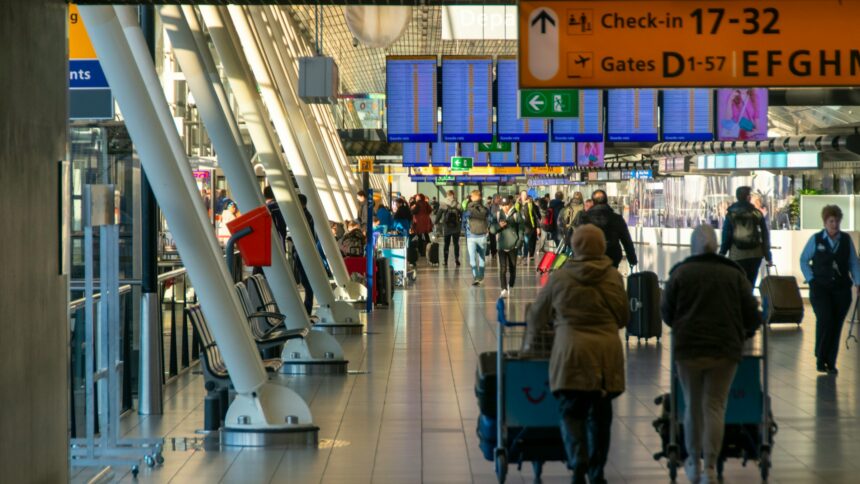
Amsterdam Airport Schiphol (AMS) is extending its airport charge discount until March 2028. The airport originally introduced the discount from April 2026 to March 2027 amid rising fuel prices and ongoing instability in the Middle East.
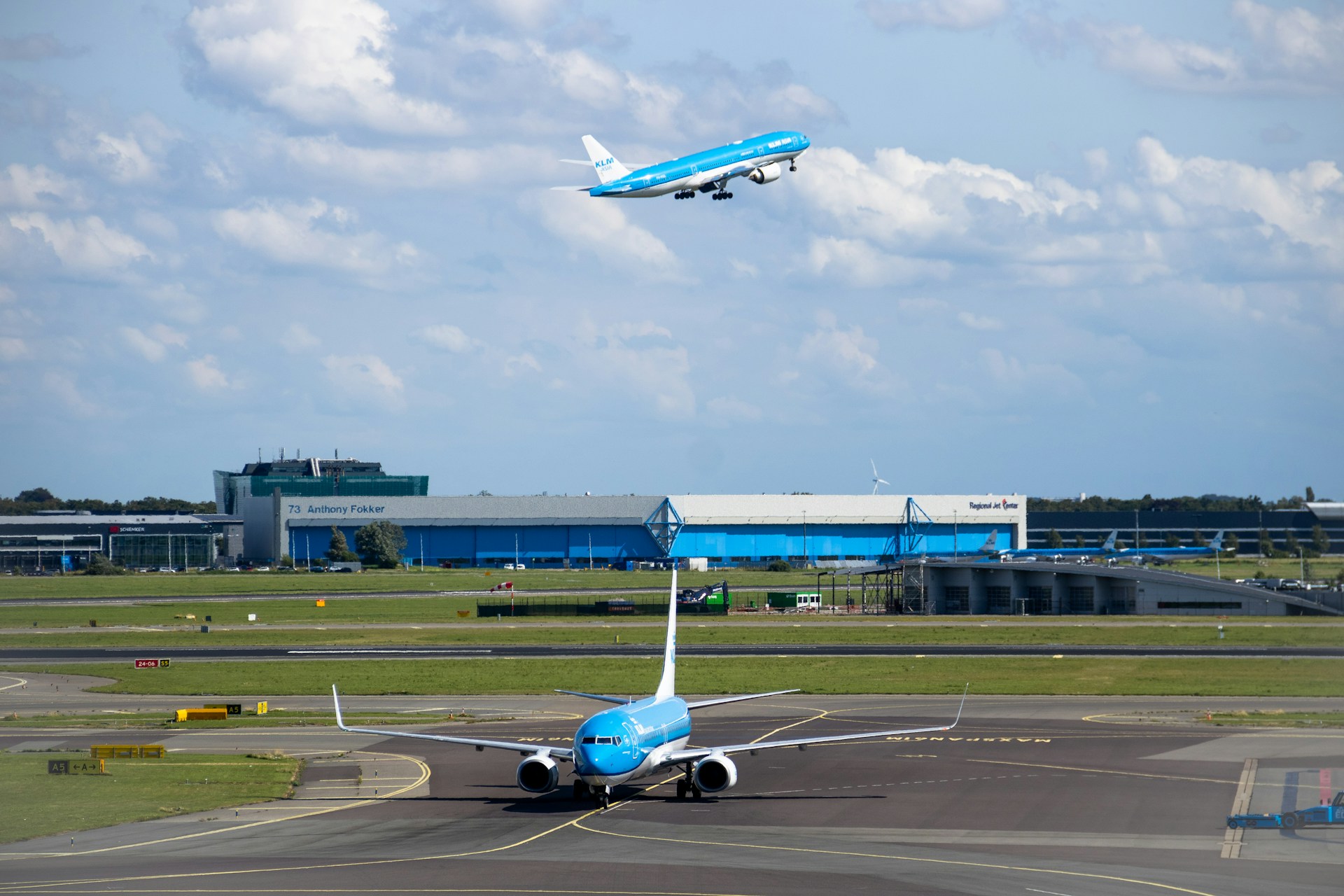
Schiphol’s Temporary Discount
AMS first announced the temporary discount in April 2026 in response to rising fuel costs linked to instability in the Middle East. This measure is intended to support airline profitability amid the increasing operational costs.
The discount is applies only to daytime flights and excludes nighttime operations. The policy is designed to encourage a reduction in flights that contribute to noise pollution during overnight hours. AMS reported that it has reduced up to 30% of noise at night over the past two years.
Rising Fuel Prices
Conflict in the Middle East has contributed to a significant rise in aviation fuel prices, with the global average reaching $154.76 per barrel in mid-to-late November. This represents a 71.9% increase compared with the previous year’s average.
The increase has been linked to disruptions around the Strait of Hormuz, which normally carries roughly 20% of global oil and gas. Many commercial vessels have been forced to reroute to avoid security risks and congestion, increasing fuel transportation costs. Limited oil supply availability has also contributed to higher prices.
Schiphol’s Role in Dutch Connectivity
AMS serves more than 300 direct destinations and ranks second in Europe for connectivity. The airport handled 477,552 flights and 68.8 million passengers during the 2025 calendar year.
As the Netherlands’ largest airport, Schiphol (AMS) said the extended discount is intended to help maintain the country’s strong international connectivity and economic competitiveness. The airport said:
“A strong air transport network also contributes to the Netherlands’ resilience and independence, for example by enabling supplies of goods and food, as well as repatriation.”
Do you think Schiphol’s extended discount will help preserve its position as one of Europe’s leading connectivity hubs? Let us know in the comments!