The Federal Aviation Administration (FAA) has revised its ‘Line Up and Wait’ procedure ahead of Thanksgiving weekend, one of the busiest travel weekends in the United States. The decision was announced on Nov. 24. and has already raised concerns about the potential delays that the revision could cause during the high-traffic period. The FAA has cited elevating safety standards of airport operations as the reason for the rule change.
Changes Made To ‘Line Up and Wait’ Operations
Ahead of Thanksgiving weekend, the Federal Aviation Administration (FAA) has revised its ruling on the LUAW procedure that is carried out at airports across the United States.
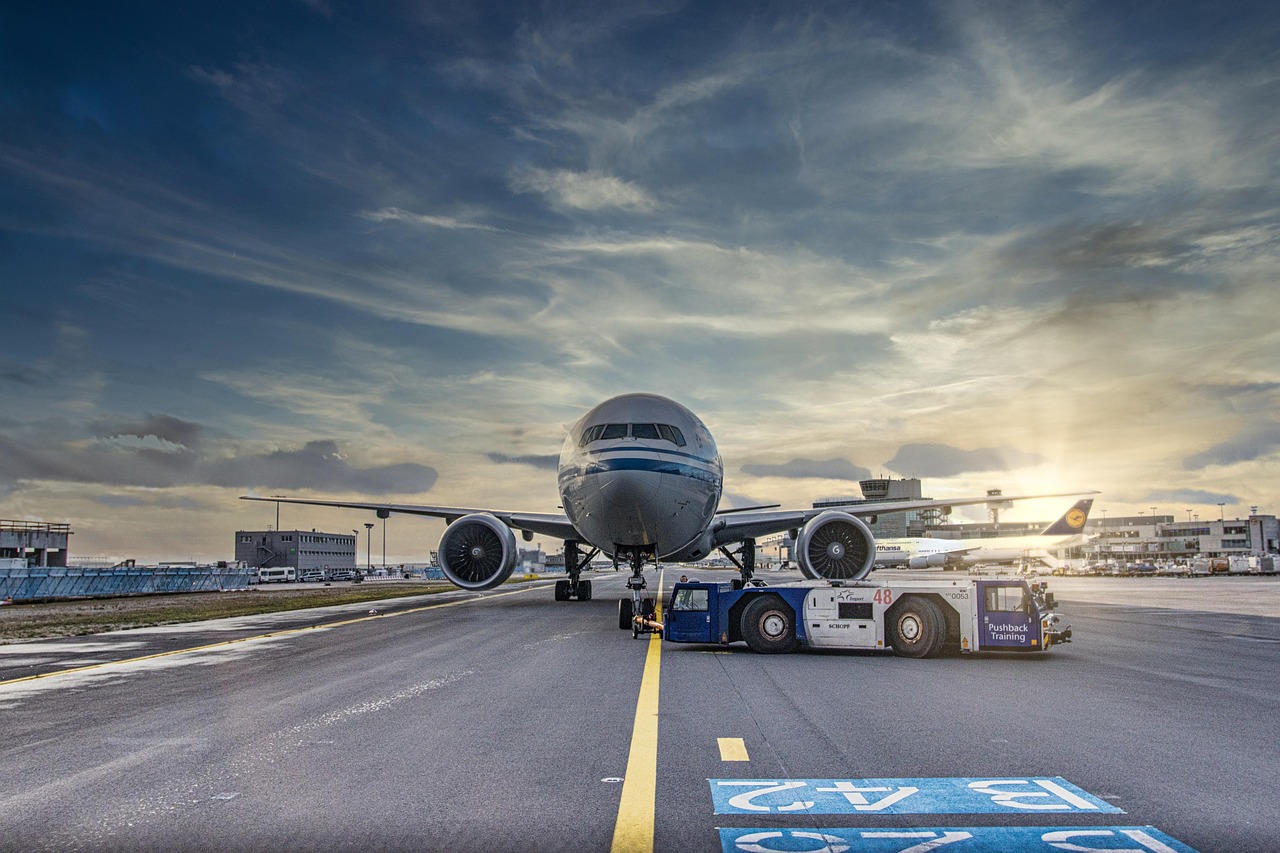
Line Up and Wait is an air traffic control procedure that allows aircraft waiting for take off clearance to enter the runway and hold within an assigned position. The procedure is typically used during busy periods to reduce wait times and improve airport efficiency by maintaining the flow of traffic.
The FAA’s new policy now requires that a stand-alone watch supervision position must be staffed in order for Line Up and Wait to be operational. Controllers must be supervised before they can authorise planes to line up to wait for clearance to depart. The supervisor also must not be overseeing any other duties at the time of their LUAW supervision.
The FAA has stated that upgrading this policy from a recommendation to a mandatory requirement means the supervisors tasked with overseeing Line Up and Wait are fully dedicated to the task without the distraction of other operational tasks.
Potential Delays For Some Travellers Over The Busy Weekend
Air traffic controllers have warned that this revision to rules about how controllers can use Line Up and Wait is likely to lead to some delays for travellers over the holiday weekend when the volume of air traffic is at its highest.
The new measure could create operational pressure on air traffic controllers and staff at smaller airports, possibly due to the new requirement of having a stand-alone supervisor available to oversee LUAW operations whilst also not being responsible for any other duties.
Airports with smaller staff numbers are likely to struggle with meeting the demands of a busy holiday weekend whilst also ensuring that air traffic controllers are appropriately supervised. In these cases, LUAW may have to be temporarily suspended, which would mean airport operations are less efficient.
Considering the widely acknowledged shortage of air traffic controllers affecting airports across the United States, questions have also been raised about the timing of the FAA’s revision to its rules about a procedure used to alleviate pressure on airport operations during busy periods.
Larger airports, such as Hartsfield-Jackson Atlanta International Airport in Georgia, are less vulnerable to potential delays as they typically already require controllers to be supervised by a stand-alone supervisor.
The FAA has maintained that the rule change will not affect airport operations, but will elevate safety standards and mitigate the risk of oversights occurring.
What do you think of this new rule? Do you think the FAA should have introduced it ahead of a holiday weekend? Let us know in the comments below.