
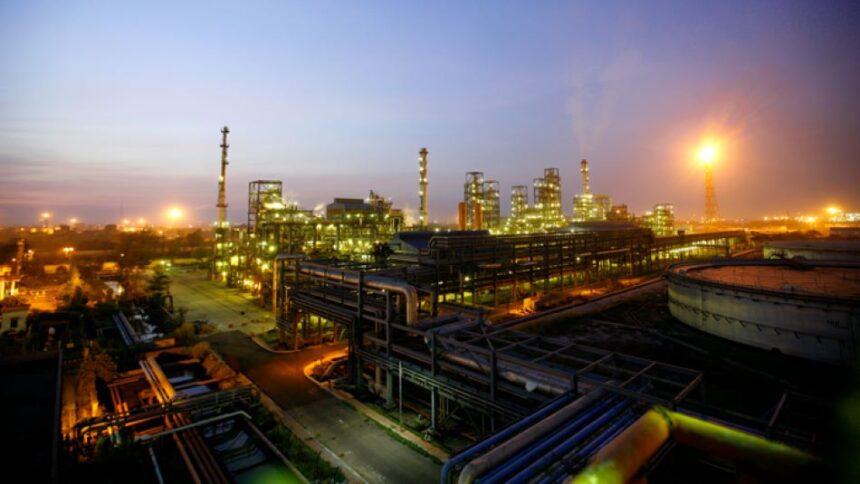
Commercial oil company Indian Oil Corp. has gained the necessary approval from the government to distribute sustainable aviation fuel (SAF) on a wide scale. The oil is to be sold from one of the country’s biggest refineries, which is located in the northern city of Panipat.
Long-term sustainability
The use of sustainable aviation fuel is rising alongside the aviation industry’s aims to reduce carbon emissions and achieve net zero carbon by 2050. SAF is used to offset overdependence on fossil jet fuel and is sometimes made from renewable waste or, more commonly, from captured CO² or fats, oils and greases. It is often blended with regular jet fuel to avoid damaging aircraft or requiring remanufacturing, while still reducing emissions. Aircraft compatibility is considered an important advantage when using SAF, allowing aircraft to increase the amount of fuel they are able to use.
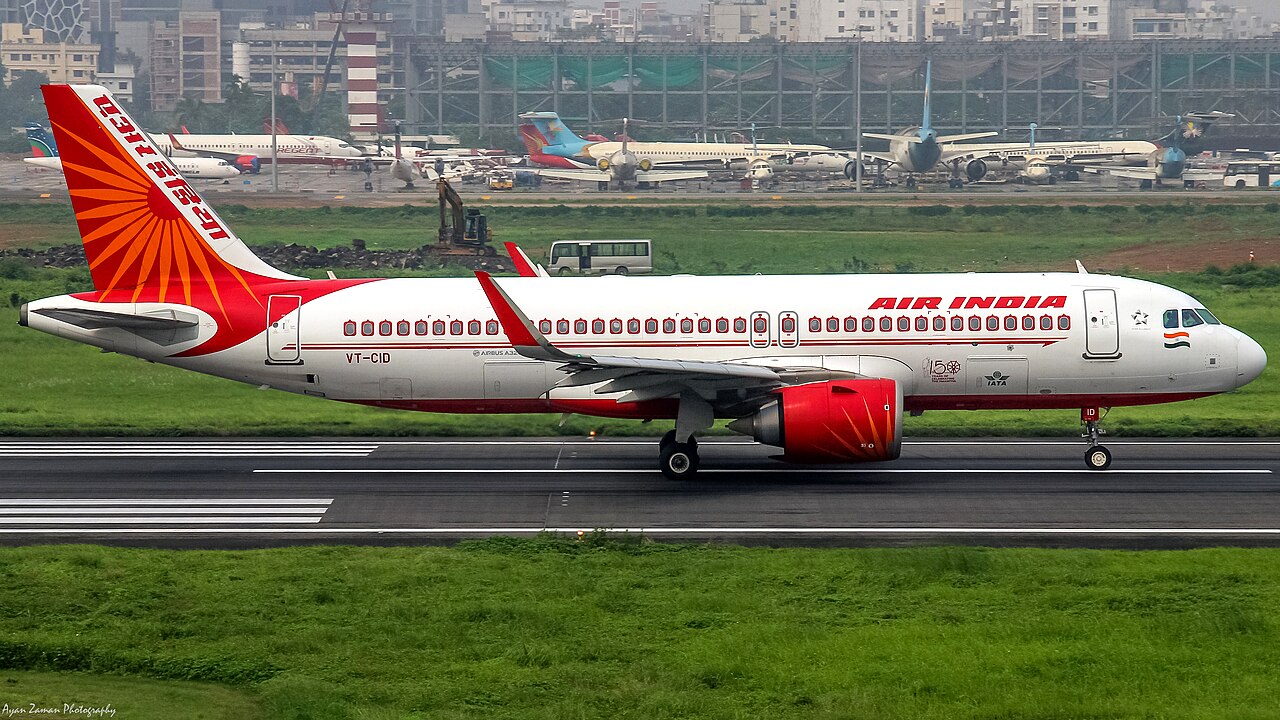
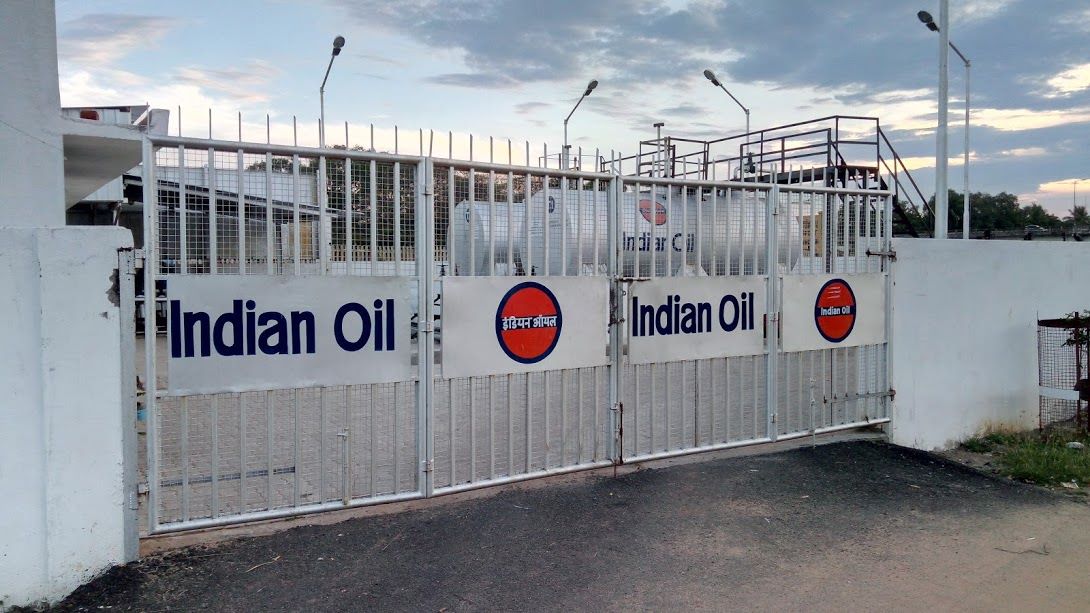
Indian Oil Corp, which is a state-owned oil refiner with a large focus on long-term sustainability performance, has discussed plans to sign multiple agreements to sell SAF to airlines. The talks were led by the Chairman of Indian Oil Corporation, Arvinder Singh Sahney, who already has a signed deal with Air India for SAF supplies that was made on Aug. 15, 2025.
The Panipat refinery uses a co-processing pathway that produces SAF by utilising used cooking oil (UCO) as the primary feedstock, as well as alcohol-to-jet (ATJ) production with the use of ethanol.
The Ministry of Civil Aviation has drafted blending mandates for Panipat’s refinery, which is predicted to produce an amount of SAF that will reach India’s 1% blending target for international flights in 2027. India has proposed to start its mandatory CORSIA (Carbon Offsetting and Reduction Scheme for International Aviation) offsetting and initial SAF blending in January 2027, with Chairman Arvinder Singh Sahney announcing its commitment after receiving government approval on Nov. 17, 2026.
The future of SAF
India’s investment in SAF is the latest action assisting its involvement in the aviation industry, alongside the country’s focus on further developing policies that look to improve upon its industry standards, such as its Ministry of Civil Aviation’s Bharatiya Vayuyan Niyam 2026 policy.
Financing sustainable aviation fuel is one solution in combating the carbon emissions problem the field faces, but it encounters the big challenge of scaling its production so that the cost can decline to make it more accessible to manufacturers.
What do you think about the investment in SAF? Let us know!