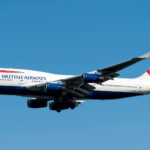
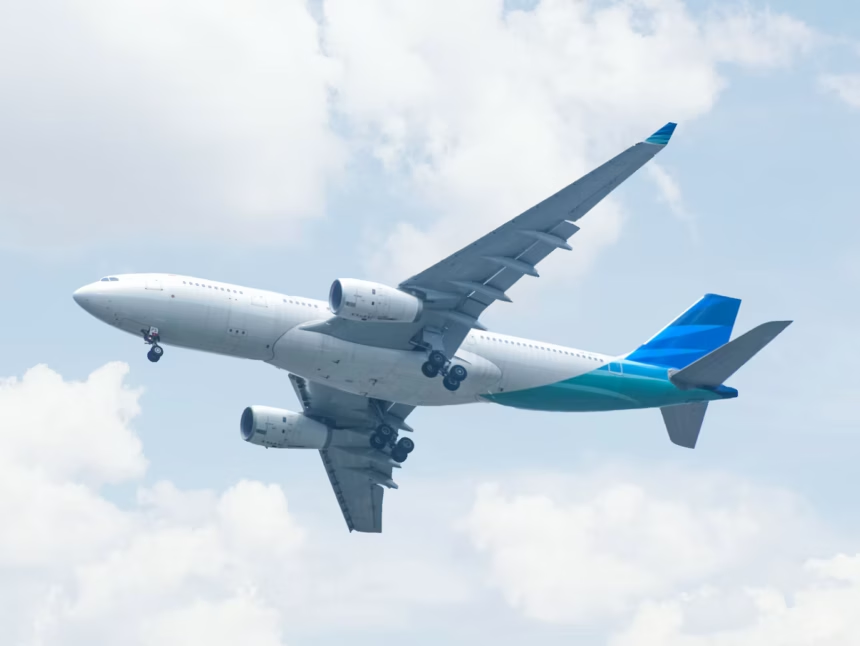
When airlines first started, they were a symbol of exclusivity and luxury. Only the upper echelon of society could afford tickets, and the rest traveled by land or sea. Over the decades, as prices went down, air travel became much more accessible and allowed relatively low-cost travel for all classes of society.
Yet, what’s interesting is how the kinds of travelers and their priorities have managed to exert such influence on cabin design. The interior of a plane from the 70s looks far different from one in the late 2010s. Today, we are now seeing a new type of passenger giving birth to a new type of design philosophy: Bleisure.
In this article, let’s look at how it’s changing premium cabin design, why those changes are happening, and what they look like.
What Is Bleisure Travel?
In the world of airline travel, we’re seeing the boundary between professional trips and personal vacations blur more often. Corporate travelers no longer just fly to a quarterly meeting and rush back home. Instead, they like to have a little fun along the way, visit a few historical sights, and take in the local culture. This phenomenon has become known as ‘bleisure’ travel.
It’s something that’s also being noticed in industry reports. According to a study by global insurer Zurich, 81% of corporate travelers plan to actively combine business and leisure travel. Within this trend, 61% expect to add personal days to a work trip, while 54% explicitly plan to work remotely from abroad.
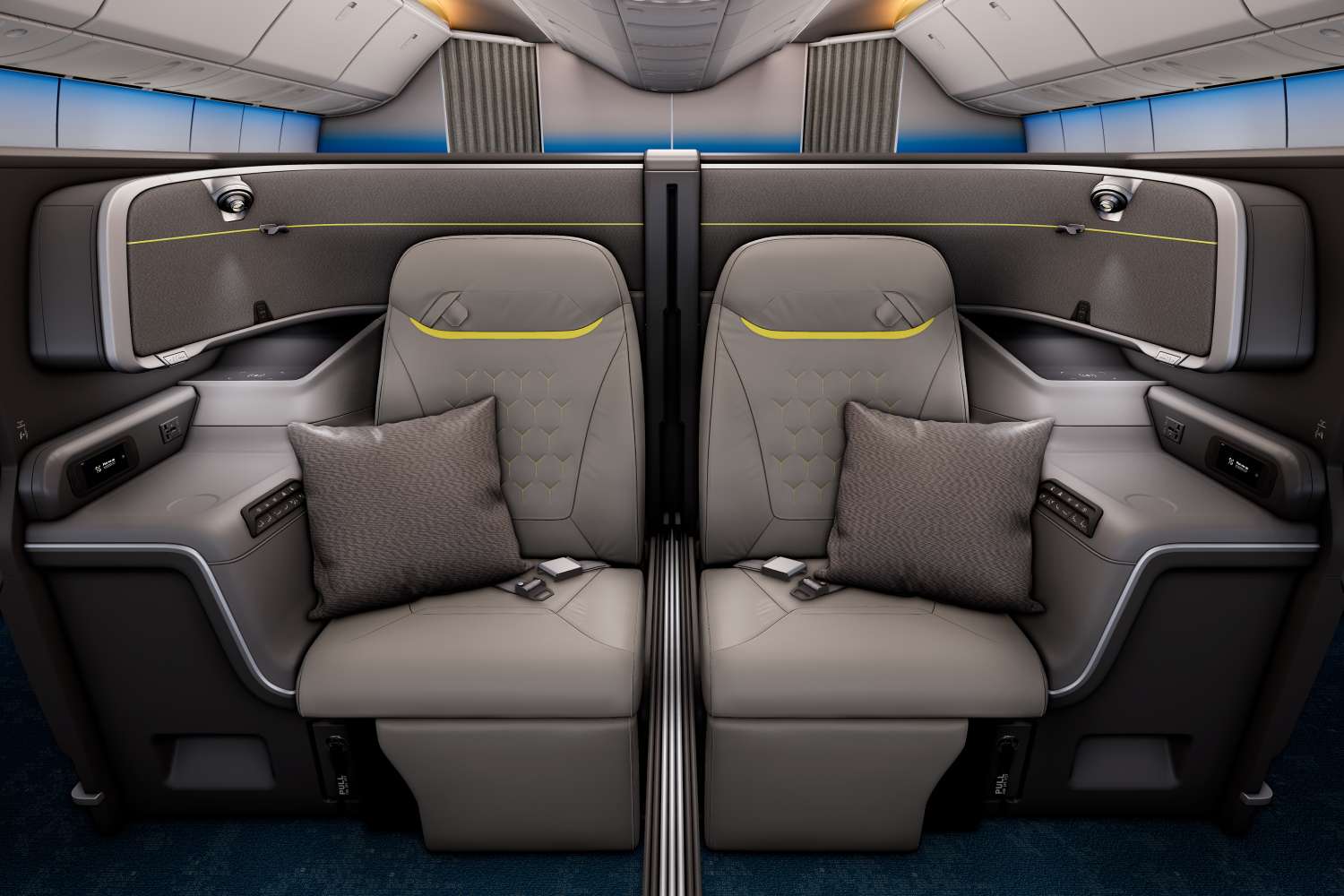
As a result, passenger expectations are increasing. Airlines can no longer just offer traditional business class cabins. They need to start introducing features that also appeal to fun and entertainment.
We are seeing a shift away from rigid pods and a move toward more personal cabin options that include a variety of quality-of-life features. Think larger 4K screens for movies, noise-canceling headphones, and even dining tables that are finally larger than your forearm.
At the same time, these types of cabins address all the functionality a business traveler would need. Charging ports for laptops, spare webcams, and most importantly, fast WiFi. Since internet on aircrafts is shared, most corporate travelers will likely use a business VPN to keep their work secure. Given that server location can affect VPN speed, airlines have to offer fast internet to compensate.
The High-Yield Workstation and Justifying Premium Ticket Prices
As one report by Deloitte shows, 80% of travel managers were trying to upgrade travel tech for employees on the go. In addition, corporate flight expenses are skyrocketing, with domestic corporate airfares climbing by 18% and international fares increasing by 13%.
If procurement departments are having to pay premium rates for premium tickets, the cabin cannot be a low-productivity zone. This is another reason why airlines are feeling the pressure to offer advanced, ergonomic workstations. They need to offer the kind of features that keeps a corporate traveler fully billable even during transit.
Airlines know that if they fail to deliver a true office-level environment, corporate clients might downgrade their seats a level lower. Thus, there’s a lot of pressure to ensure in-flight ecosystems meet expectations for both business and pleasure.
It Drives the Most Revenue
For a long time, airlines relied on the sheer volume of the economy class to cover operational costs. Premium cabins offered a supplementary profit margin but weren’t the focus. Today, that approach has been completely flipped.
According to Steve Saxon, co-leader of McKinsey’s Travel Practice, premium cabins make up more than 50% of the total revenue of a plane. This wasn’t the case earlier, but with cabins expanding and ticket prices increasing, they are now more important than economy class cabins, he explains.
It’s no wonder we see a shift in how commercial aircraft are designed and monetized. Yes, economy seats are still important, but airlines aren’t trying to cram as many of them into a fuselage as possible.
Rather, they are willing to sacrifice total passenger volume to expand high-yield sections. If more than half of a flight’s financial success depends on just a fraction of the passengers on board, airlines are naturally going to prioritize them more.
Thus, with each passing year, we’re likely to see “bleisure” tickets offer an increasing range of experiences that travelers seem willing to pay for.
Frequently Asked Questions
Why are airlines investing more in premium cabin experiences?
Premium cabins generate a significant share of airline revenue, making them an important area for investment. Airlines are responding to growing demand from corporate travelers and leisure passengers who are willing to pay more for comfort, privacy, better entertainment, and additional onboard services.
How does bleisure travel affect business class passenger expectations?
Bleisure travelers want a cabin that accommodates both professional responsibilities and personal downtime. This means having reliable Wi-Fi, convenient charging options, and comfortable workspaces alongside quality entertainment, better dining, and seating arrangements that make longer journeys more enjoyable.
Will bleisure travel influence the future of economy class cabins too?
Yes, although premium cabins are likely to see the biggest changes first. As airlines experiment with more flexible seating, improved connectivity, and better entertainment options, some of these features may eventually become standard across economy cabins as passenger expectations evolve.
Key Numbers & Facts at a Glance
| Corporate travelers planning to combine business and leisure travel | 81% |
| Corporate travelers expecting to add personal days to a work trip | 61% |
| Corporate travelers planning to work remotely from abroad | 54% |
| Travel managers trying to upgrade travel technology for employees on the go | 80% |
| Increase in domestic corporate airfares | 18% |
| Increase in international corporate airfares | 13% |
| Share of an aircraft’s total revenue generated by premium cabins | More than 50% |
Bleisure isn’t the first major influence on airline cabins, and it won’t be the last. Today, however, it is the factor that is changing how airlines invest in their cabins and how they price their tickets. The combination of business and pleasure is the main focus but they require different investments.
Bleisure is also a reflection of the way people are willing to enjoy trips that would otherwise be business-focused. The emphasis on work-life balance over the last decade isn’t falling on deaf ears, and even corporate workers now try to relax when possible. It was just a matter of time until airlines adapted to these developments.