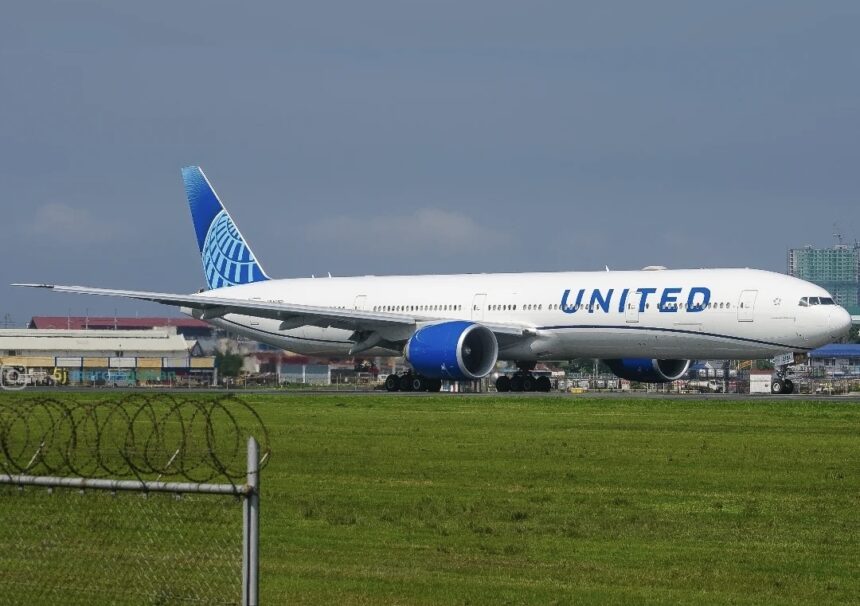
United Airlines forecast fourth-quarter adjusted earnings below Wall Street expectations, citing higher fuel costs, despite reporting record third-quarter revenue. The carrier expects earnings of $0.50 to $1.50 per share, below the $1.76 analyst consensus compiled by LSEG.
United said rising fuel expenses are reducing margins despite strong international travel demand, with jet fuel expected to average approximately $4.80 per gallon during the fourth quarter.
According to the airline, nearly 70% of recent revenue gains have been offset by increased fuel spending.
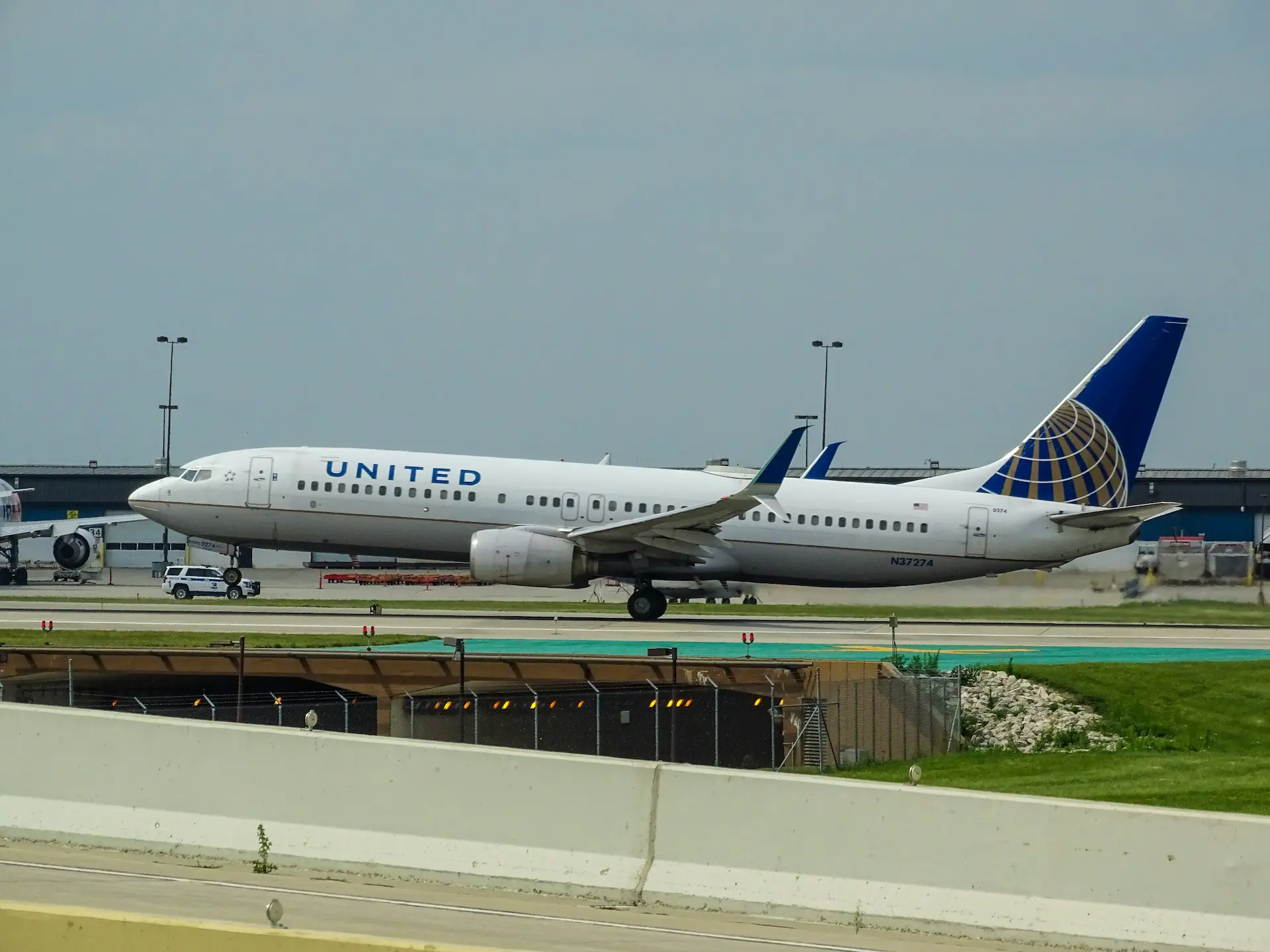
How United Airlines Fuel Costs Impacted Earnings
During the third quarter, covering the July-September period, the airline reported a sharp increase in fuel expenditure.
Aircraft fuel expenses rose by more than 61% year-on-year, reaching approximately $4.84 billion compared with $3.00 billion during the same period in 2025.
According to the airline, the increase in fuel costs represented about 69% of the airline’s year-on-year revenue growth during the quarter.
As a result, higher fuel costs weighed on the airline’s fourth-quarter earnings outlook despite strong revenue performance.
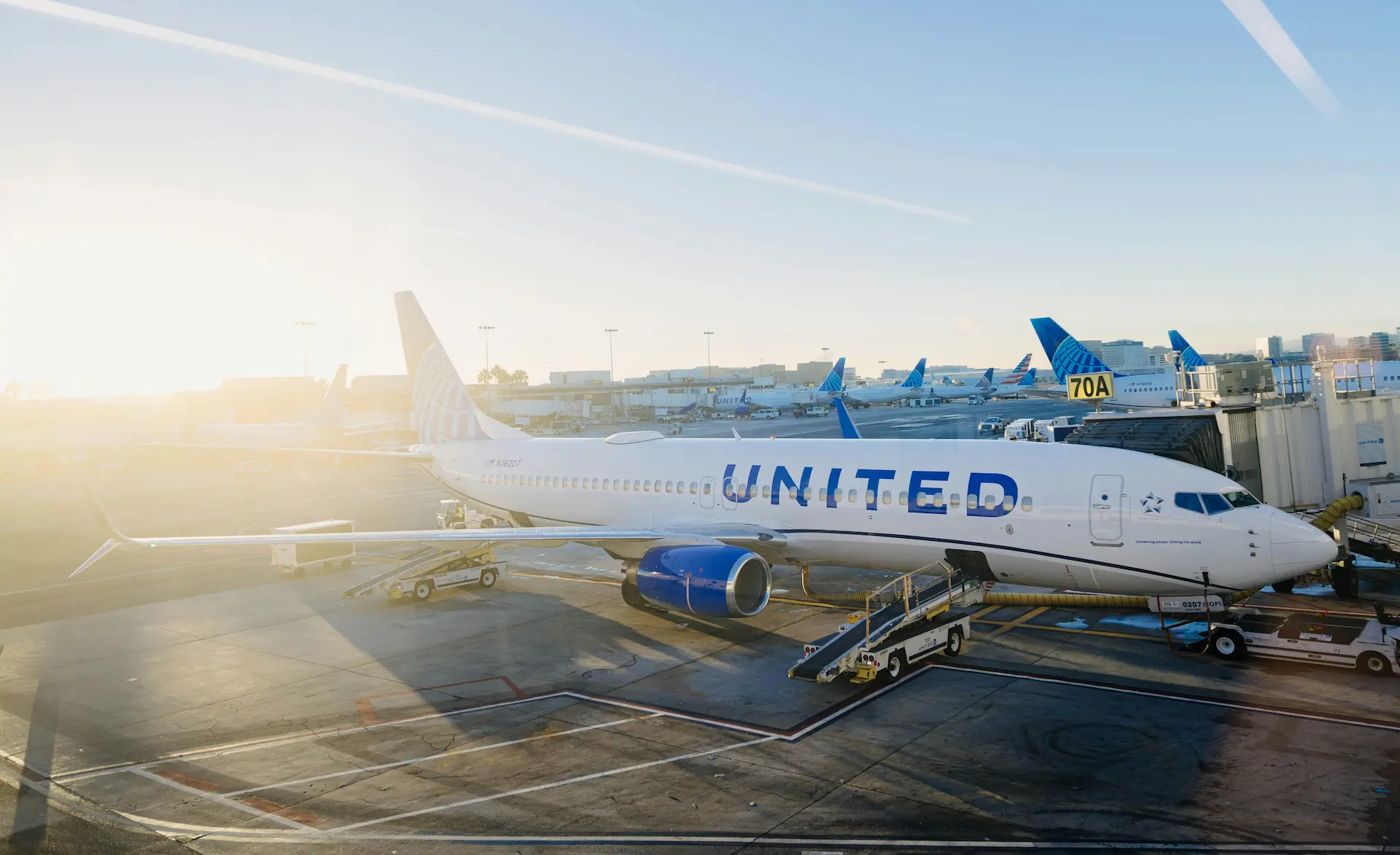
Looking Ahead to 2027
While airlines have managed fluctuations in oil prices for decades, fuel prices increased significantly throughout 2026, adding pressure to operating margins.
United previously said it was prepared to moderate near-term capacity growth if fuel prices remain elevated.
The carrier intends to recover 80% to 90% of higher fuel costs through revenue during the third quarter and 100% by the fourth quarter. This metric is separate from the company’s statement that fuel expenses accounted for approximately 69% of its year-on-year revenue growth during the third year.
However, executives also acknowledged that fare increases often take longer to offset rising fuel expenses.
Scott Kirby stated that continued investment in products and technology should support higher revenue generation in 2027. Despite these efforts, management said revenue growth alone may not be enough to achieve double-digit pre-tax margins if fuel prices remain elevated.
Industry-wide Challenge
Fuel remains one of airlines’ largest operating expenses worldwide. Continued volatility in global energy could affect profitability across the aviation sector, even as passenger demand remains resilient.
As carriers balance higher costs with competitive ticket pricing, investors and industry analysts will be closely watching how airlines adapt their strategies heading into 2027.
What do you think about United Airlines’ strategy for managing rising fuel costs? Let us know in the comments.