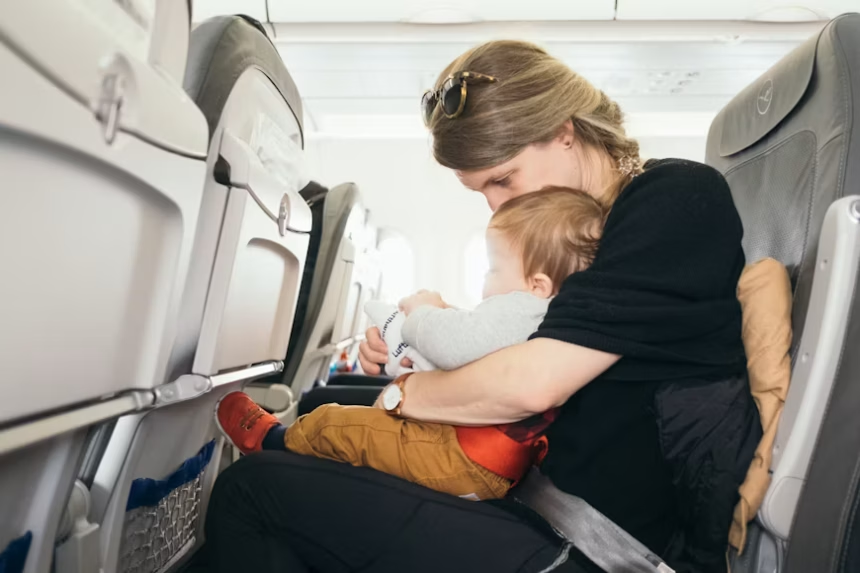
A Civil Aviation Bill is set to prevent UK airlines from charging parents an additional fee to ensure they are seated next to their children on flights. The proposed legislation is currently awaiting approval from UK Parliament. If implemented, it will prohibit carriers from imposing charges on guardians when reserving seats next to them for children under the age of fourteen.
Parents To No Longer Face Additional Bookings Fees
The UK government has announced plans to stop airlines from charging parents additional fees to reserve seats so their children can be seated with them on flights.
Under the reform, children under the age of fourteen would be seated free of charge next to their accompanying adult. The Department for Transport said that under current regulations, securing adjacent seats for a parent and child could cost up to 104 pounds on a return journey.
Transport Secretary, Heidi Alexander, stated that parents should not have to “feel the pinch” for needing to sit next to their young children.
Airlines UK, a trade body for registered airlines in the UK, said it was surprised by the announcement, adding that airlines already follow the regulator’s current guidance on seating children under 12 with their accompanying adult.
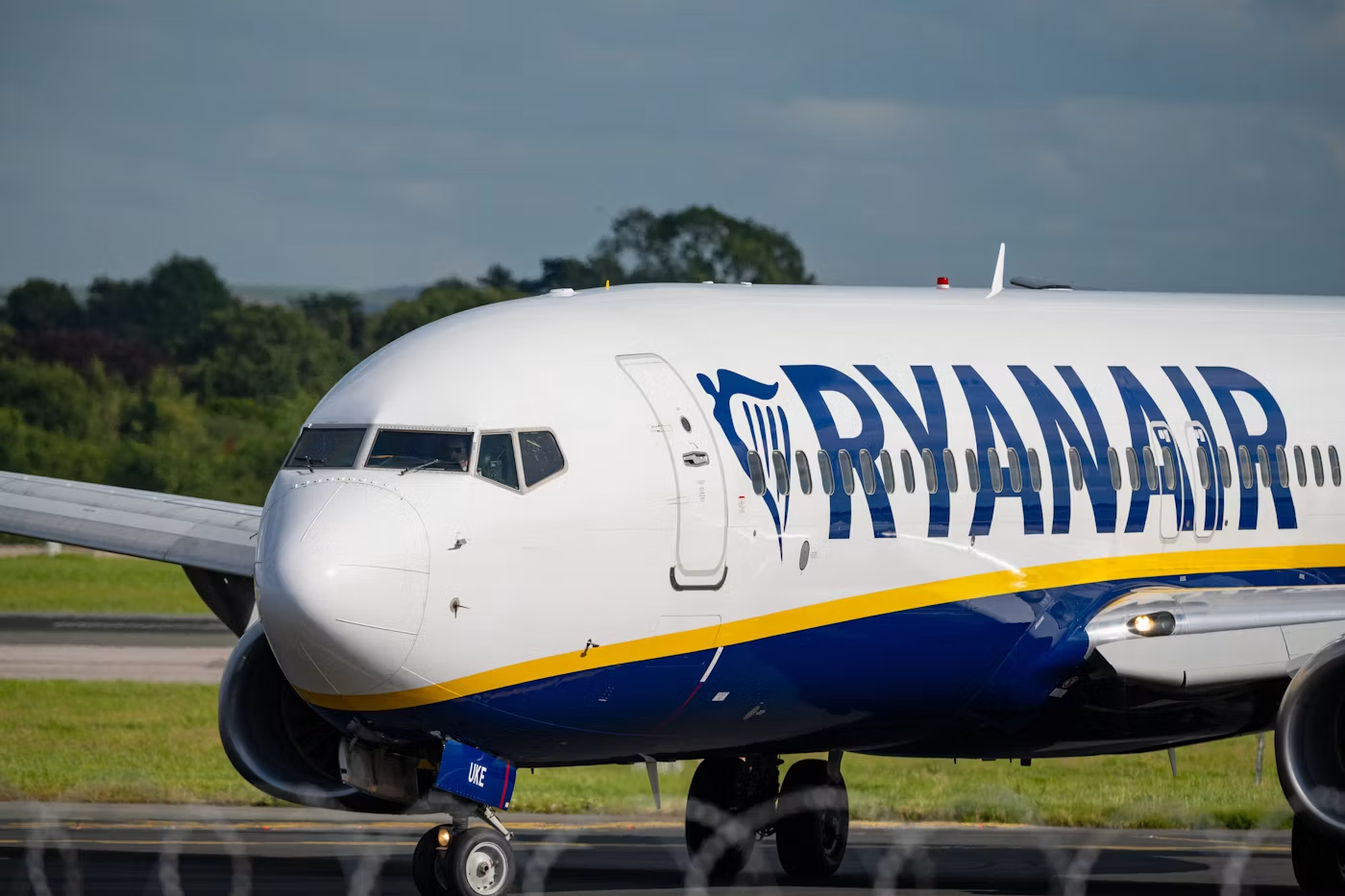
Earlier this year, Ryanair was the subject of an investigation into its family seating policy which found that the airline required parents travelling with children aged between two and eleven to reserve what it described as a “mandatory family seat”. Once this was booked, children would be allocated seats next to, or near, their guardians free of charge.
This typically amounted to a cost of around 8 pounds each way. Ryanair Chief Executive Michael O’Leary stated the airline’s policy was “the most progressive and transparent in Europe”. Ryanair have since adjusted its policy.
Civil Aviation Bill to Make Reforms of UK Aviation Industry
This proposed change is one of several reforms currently under consideration by the UK Parliament as part of a wider set of consumer protection and regulatory reforms for travel companies. If approved, the Civil Aviation Bill will give ministers more flexible powers to define passenger rights and set duties for airlines and airports. It also proposes scrapping charges for minor administrative changes to bookings, such as correcting the spelling of a name. Alexander noted that under current regulations, minor admin tweaks can cost passengers up to 40 pounds.
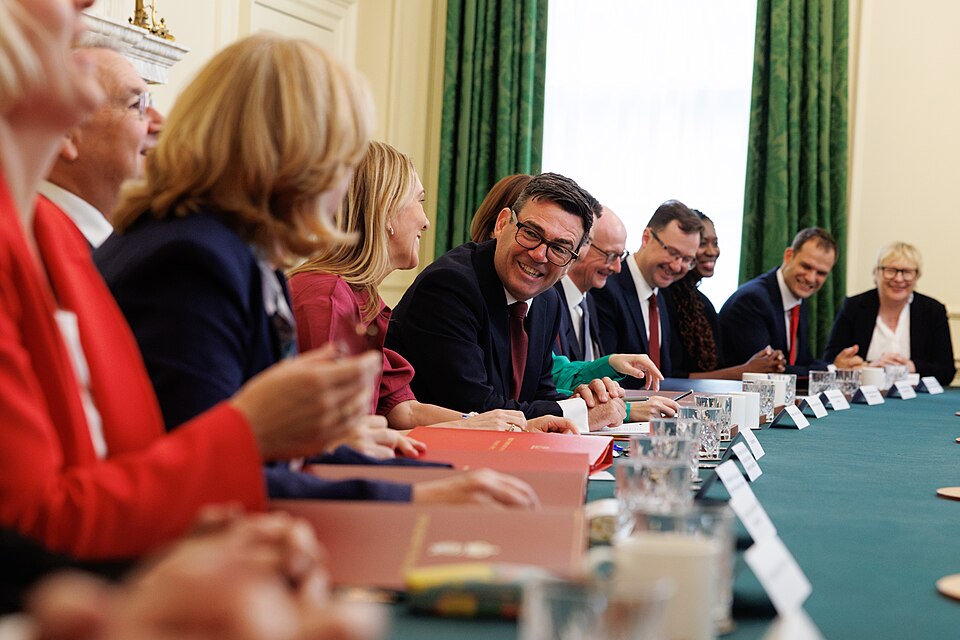
The government has said the reforms aim to provide greater consistency across airlines operating in the UK, as well as reducing costs on British travellers. Prime Minister Andy Burnham described the changes as a crackdown on “the little charges that add up,” calling fees for parents to sit next to their children “a rip-off, plain and simple.”
He added:
“People are fed up with these little charges that add up, so I’m putting a stop to them. This is what our everyday fixes are all about – giving people room to breathe by tackling the small irritations that catch people out, waste their time and cost them money.”
Alongside reducing additional fees for passengers, the Civil Aviation Bill includes a new system designed to share information about persistently disruptive passengers, developed with help and information from airlines and trade unions.
The government cited more than 1000 serious disruptive incidents reported by airlines in 2025, including one flight that resulted in a mid-air diversion. Alexander said that “bad behaviour from a small minority” should not be allowed to disrupt travel plans of other passengers. Under the new system, airlines could choose to ban persistently disruptive passengers. Airlines UK said it welcomed the government’s commitment to hardening the response to unacceptable behaviour.
Ministers intend for these reforms to be implemented before the start of next year’s busy summer period.
What do you think of these new proposed changes to civil aviation in the UK? Let us know in the comments below.