Kenya’s aviation industry workers have ended their strike, which has disrupted flights at the country’s main international and other airports. This was confirmed by transport minister Davis Chirchir and the Kenya Aviation Workers’ Union (KAWU) head Moss Ndiema.
Strike resolved, workers to return to work
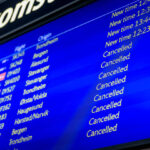
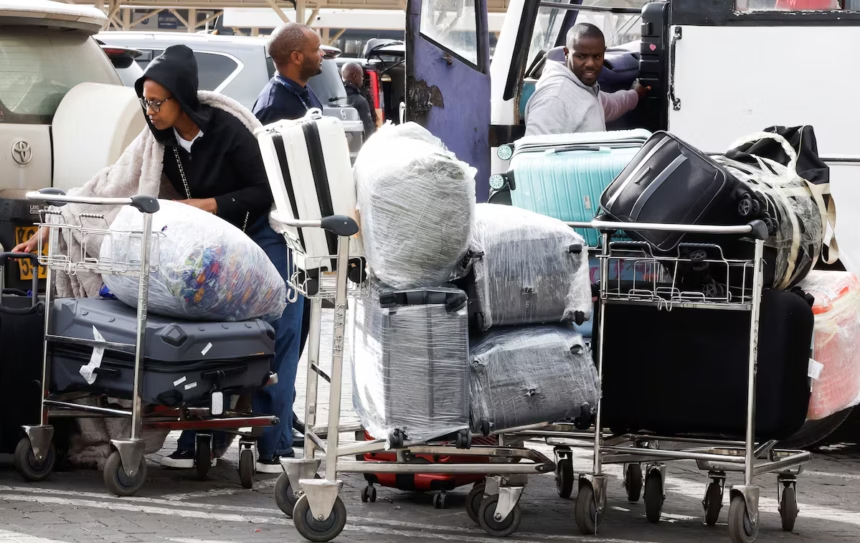
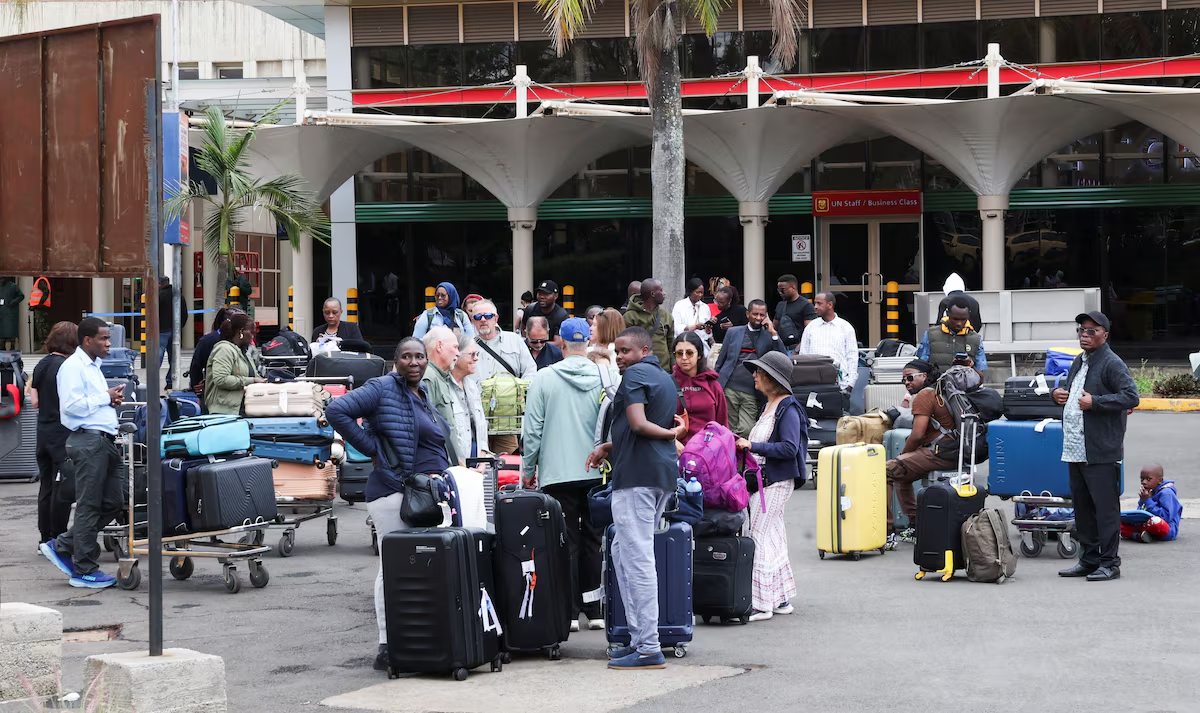
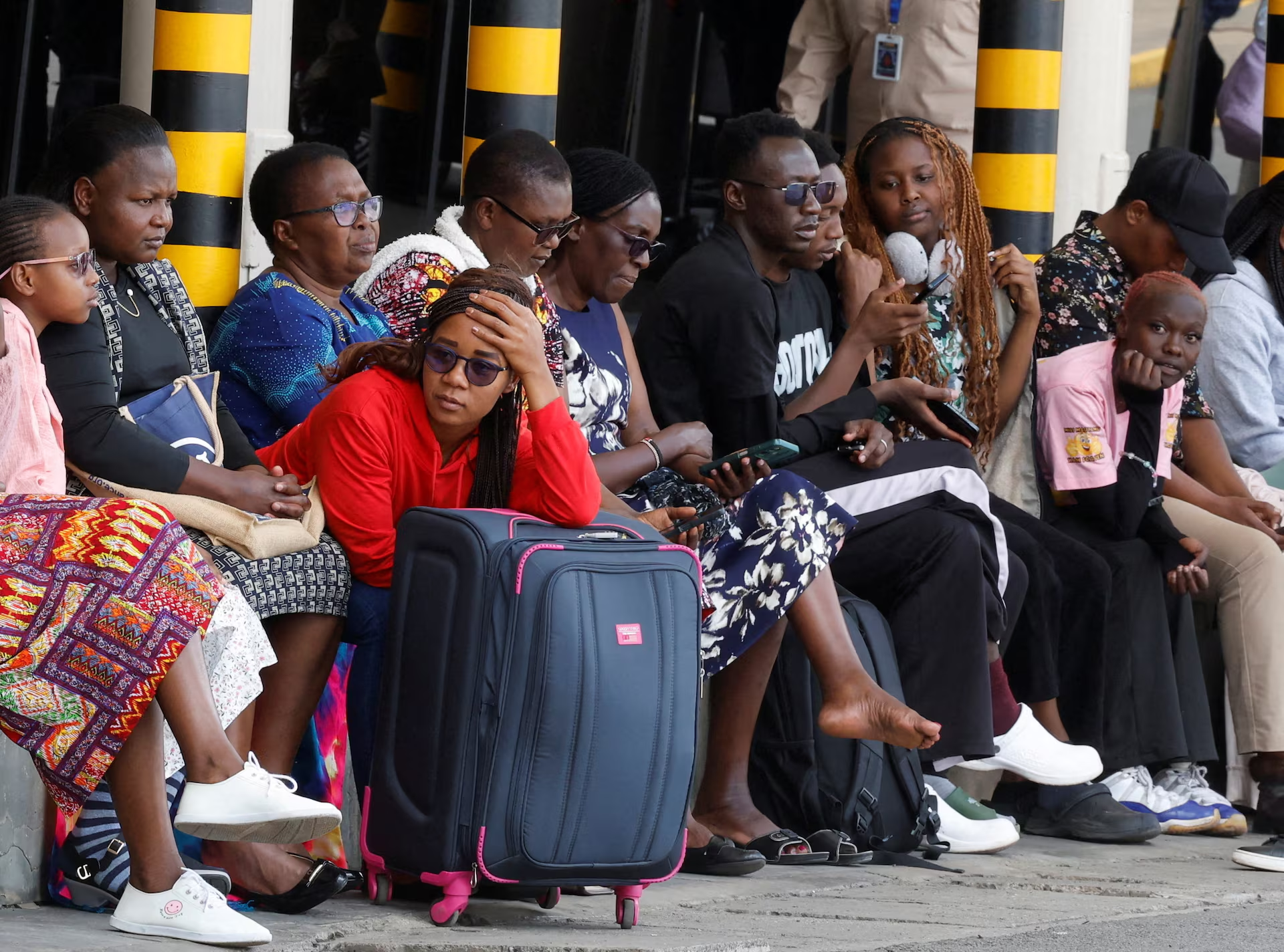
The strike, mostly by air traffic controllers on Sunday and Monday, disrupted several flights coming into and out of Jomo Kenyatta International Airport (NBO), and delays rippled to regional airports in East Africa and beyond.
Due to disruptions at NBO, airlines operating routes to and from airports in Rwanda, Burundi, Tanzania, Uganda, Somalia and Mauritius were forced to cancel and reschedule flights.
In a joint statement, the KAWU, Kenya Civil Aviation Authority (KCAA), Kenya Airports Authority (KAA), and Jambojet (a low-cost airline) said they signed a return-to-work agreement to end the strike, but negotiations on unsettled issues continue.
Transport Minister Chirchir said on Tuesday:
“We have looked at various issues … with very clear guidelines … on how we are going to deal with the three CBAs (collective bargaining agreements) which have been suspended since 2015.”
KAWU Secretary General Ndiema said during a press conference:
“We are simply calling off our strike action and pleading with our members to begin the process of normalising operations, restoring services. For those who are on duty, we are asking them to begin clearing flights.”
Why was there a strike?
KAWU said its strike stemmed from long-standing complaints involving the KCAA, KAA, and Kenya Airways’ subsidiary Jambojet.
Ndiema previously said that the KAWU wanted court-backed intervention. He claimed there was a lack of a collective bargaining agreement at the KCAA, delayed salary reviews, a disagreement over union dues at KAA, and a victimisation of union members at Jambojet.
What do you think about the resolution? Let us know your thoughts in the comments.