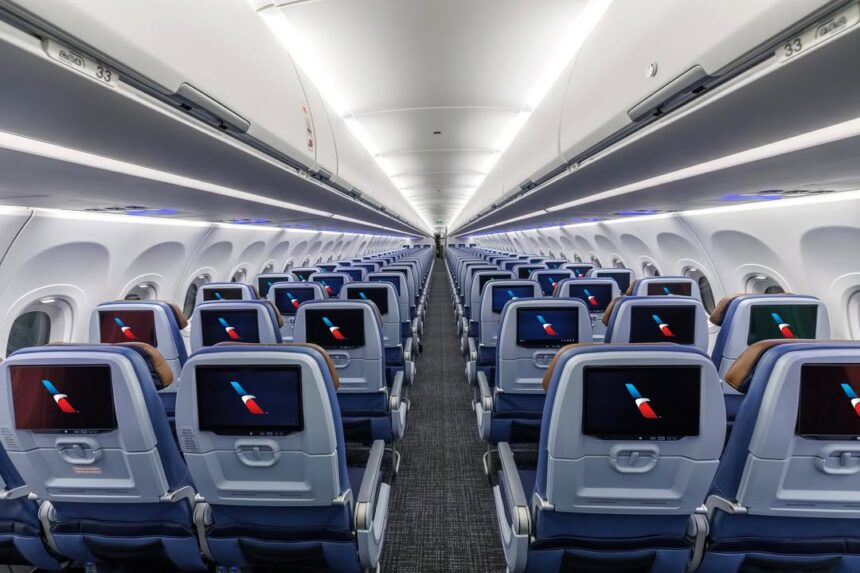
American Airlines is bringing back TV screens for flyers, not just the ones that its passengers bring on board with them, but also access to the seatback screens, which will return once again.
A breakdown of the displays to return
Seatback displays are set to make a comeback. American Airlines wants its flyers to enjoy entertainment on-air; the displays are set to make a comeback after reversing a years-long strategy of removing them from most U.S. routes.
The company is also set to add more premium seats, saying the changes are aimed at improving the travel experience and boosting revenue. American Airlines says the upgrade is part of wider cabin investment announced this week.
The change revolved around complaints in which customers said that relying on personal devices, drained batteries, and awkward viewing angles made it harder for them to watch, and that their patchy Wi-Fi made it even harder.
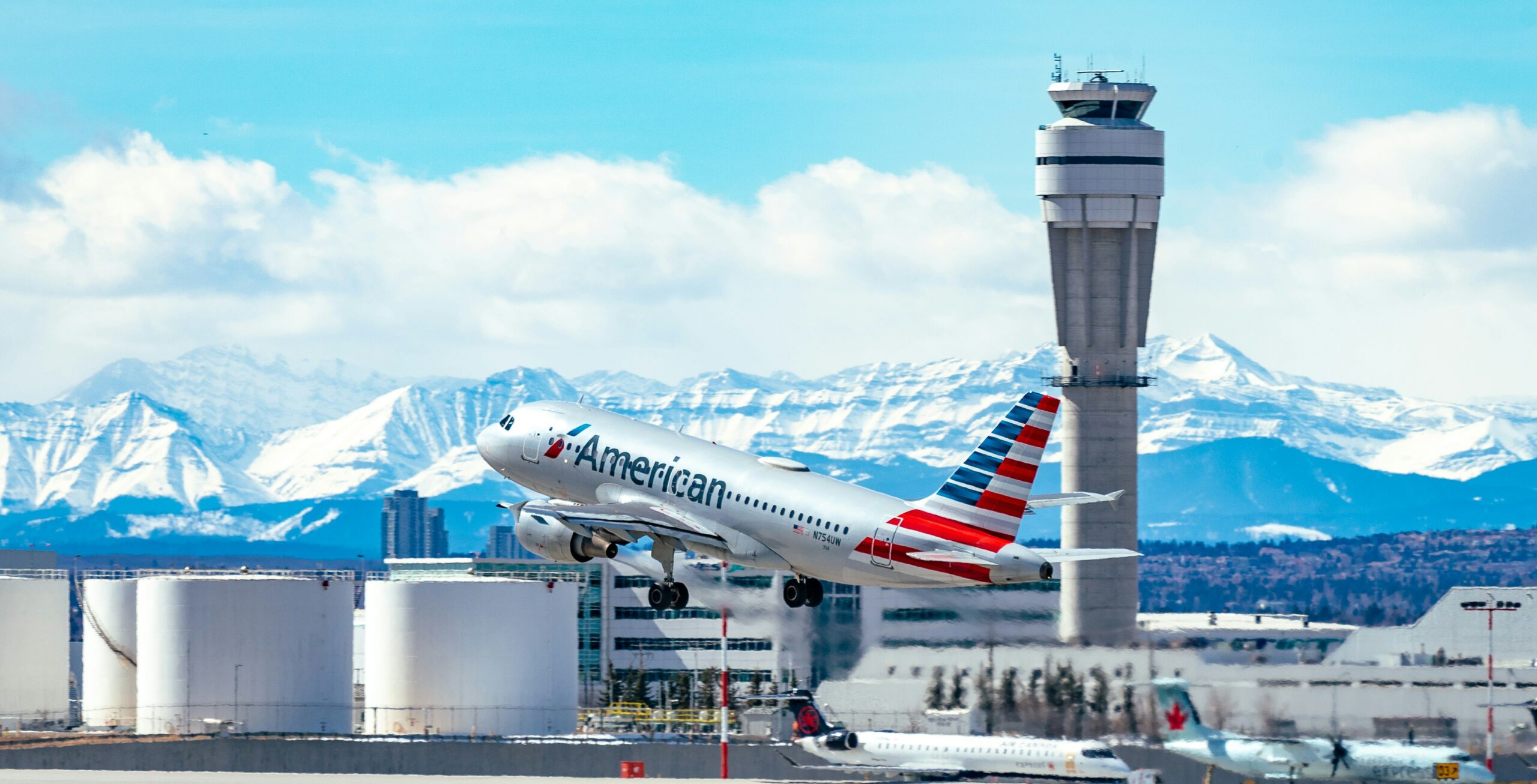
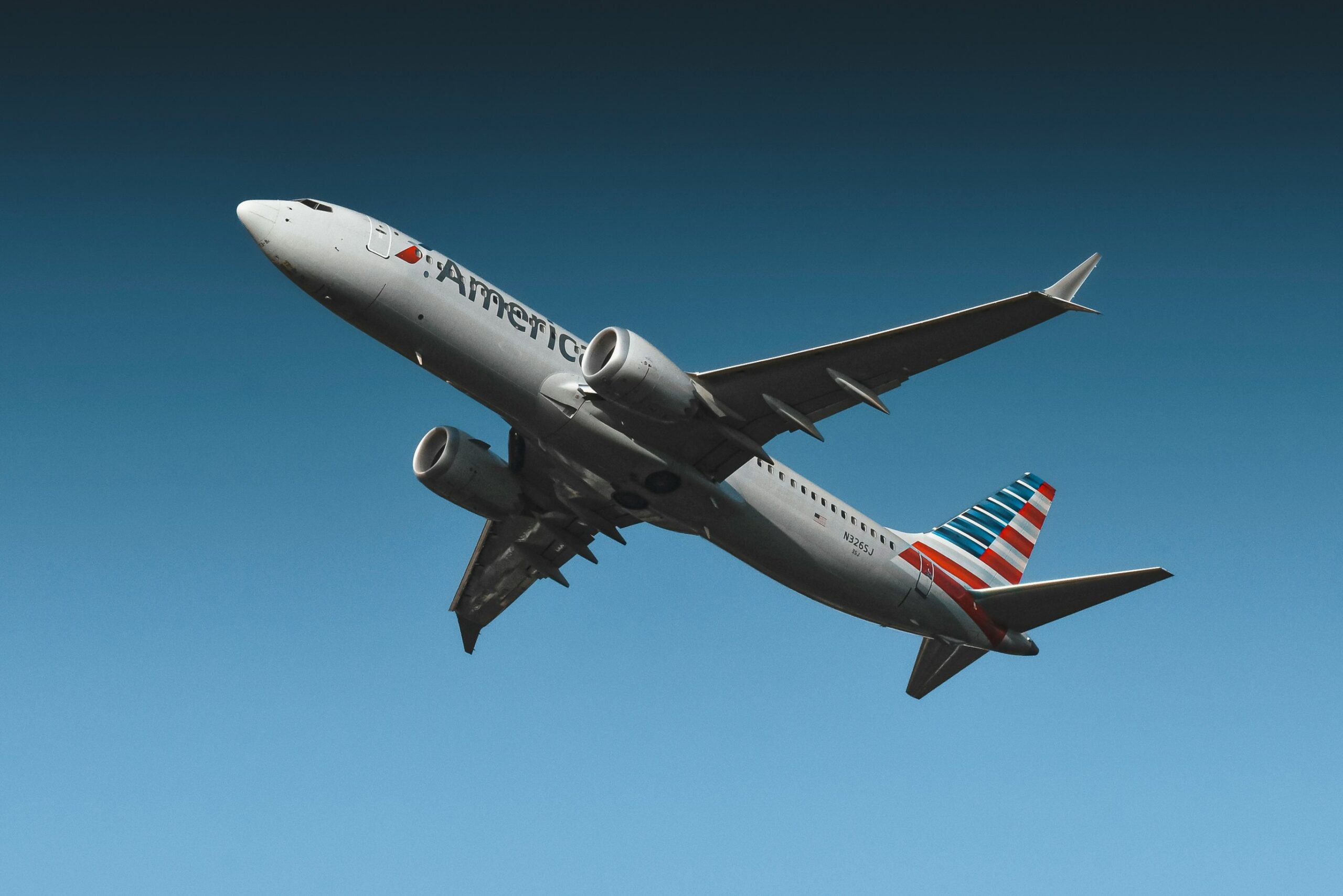
American Airlines spent much of the past decade phasing out screens from their Boeing 737s and Airbus 1320 family jets, arguing that most travellers preferred to stream entertainment on their own devices. The decision to remove on-screen displays meant that it reduced weight and maintenance costs, for efficiency.
However, the strategy has left the airline behind competitors like Delta and United, as they had invested heavily in onboard entertainment to support a more premium cabin experience.
Screens and further comments
JetBlue has kept their seatback TVs; analysts say the choices have helped shift passenger expectations, making the screens feel less like a luxury and more like a standard feature on many U.S. flights.
Raymond James analyst Savanathi Syth mentioned to the BBC:
“The long pull in the tent is technology…Delta was the first Major U.S. carrier to introduce a basic economy fare and has continued adding new products since.”
As technology begins to improve, with lighter hardware, lower power use and cheaper installation, screens have become easier for airlines to use.
American Airlines says it will bring out the new displays as quickly as possible, with full installation expected by early next decade.
What do you think of this feature returning? Let us know in the comments below!