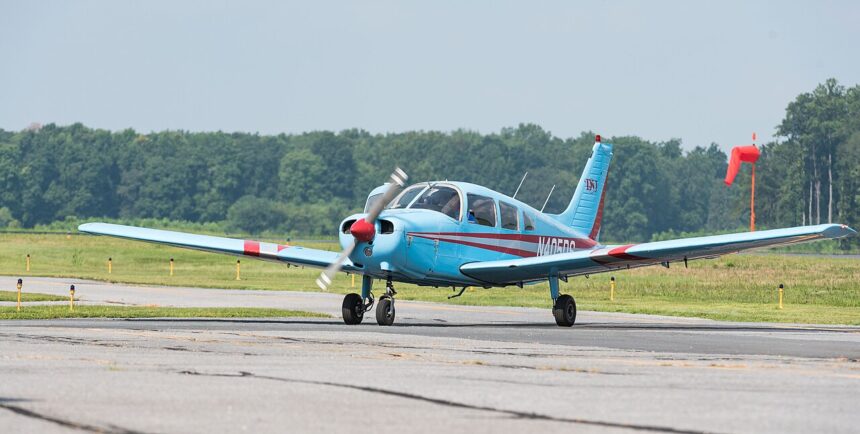
On June 20, a single-engine Piper Cherokee aircraft which was thought to belong to a flight school, crashed near Bowie, Maryland, a suburb of Washington D.C. A police statement confirmed the search and rescue operation had concluded and that they believed the aircraft was participating in a training flight.
Tragedy
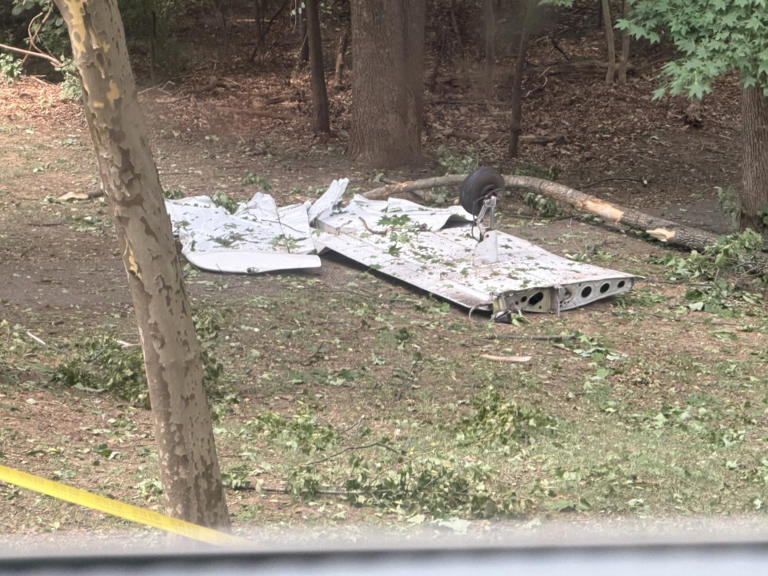
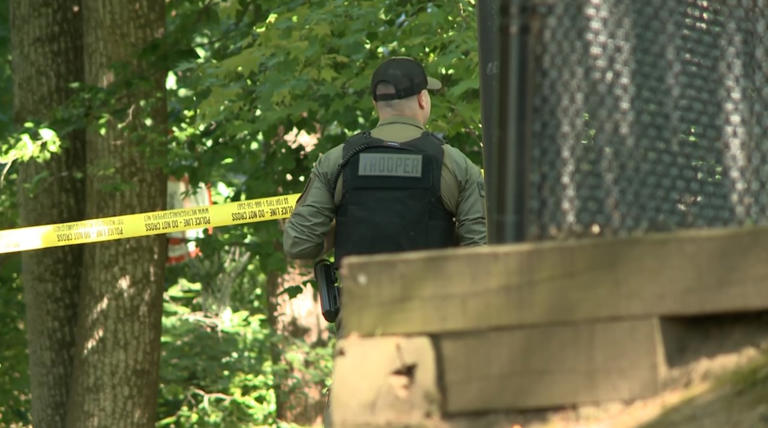
The aircraft took off from Ocean City, New Jersey around 11:30p.m. ET and was due to land at Montgomery County Air Park in Maryland. An iPhone crash alert alerted Prince George’s County Public Safety Communications about 15 minutes after the plane took off. A multi-agency ground and aerial search confirmed there were no ground injuries despite wreckage being located in ‘close proximity’ to a residential area. Sadly, three young men, a pilot and two passengers on board were pronounced dead at the scene. Maryland State Police identified the pilot as Israeli Yoav Bomrind (26), David Robinovitz (19, also from Israel) and Canadian Elad Neidik (20).
Investigation launched
The National Transportation Safety Board (NTSB) and Federal Aviation Administration (FAA) are now investigating the cause of the crash. Online FAA records show that pilot Bomrind only received his private pilot certification on June 3, less than three weeks before the crash. The ongoing investigation will determine who was flying the plane at the time of the crash. It will also utilise air traffic control communications, radar data, weather reports, aircraft maintenance records and look into what the pilot did up to 72 hours prior to the crash.
Sadly, the same type of plane has been involved in three other deadly crashes this year. On May 14 in Ohio, when a Piper aircraft failed to land safely, it struck a house and claimed the lives of two pilots. On April 8, in Arizona, a similar aircraft crashed whilst attempting to land at the Marana Regional Airport (AVQ/AVW) and killed a married couple on board. On January 10 in Paipa, Boyacá, Colombia a Piper aircraft crashed shortly after take-off and tragically claimed the lives of six people.
A report by Worldmetrics.org found that small aircraft crashes are rarely caused by a single factor and most often occur during take off and landing. Whilst pilot error is the leading cause, accounting for 70-80% of incidents, it is often combined with mechanical failures (approximately 25%) and sometimes adverse environmental conditions.
A report by scienceinsights.org also highlighted that the regulatory framework is less structured for light aircraft compared to commercial aviation. Crucial factors like pilot rest, training recurrency, maintenance schedules, dispatch procedures and minimum weather standards are less enforced for pilots of light aircraft, so they will often be making risk judgements with less safeguards in place. Sadly, this ‘freedom of judgement’ can sometimes result in tragedy.
Do you think small aircraft should have more rigorous safeguards like commercial aircraft? Let us know in the comments below.