
Countless dream of soaring above the clouds, so fly even higher up to learn how to soar. For complete beginners, structured flight training provides a clear path. Having this structured experience is the foundation for being not only a good pilot but also a safe pilot. The chilled and time-tested process takes students from their first lesson through to their pilot license, each step in this process building on the previous one.
An Indestructible platform for newcomers
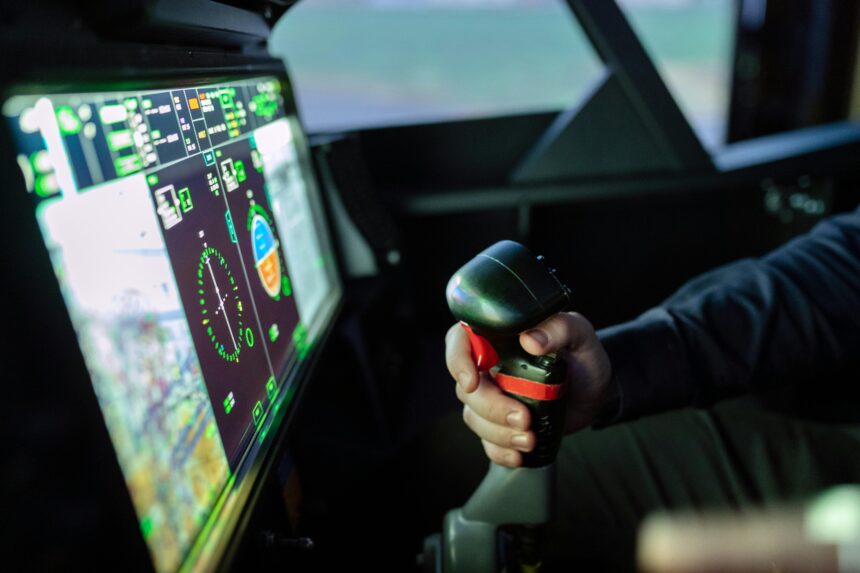
The initial launching of the wellbeing practice flight prepares understudies with the presentation of aviation fundamentals. Ground school classes emphasize theory, encompassing subjects such as weather, navigation, and aircraft systems. Flight simulations are a fantastic way for novices to get acquainted with the controls of a cockpit and the displays on a flight deck. This process allows students to understand what is involved in the role of piloting an aircraft. With a clear training path, services like Pureflight Aviation ensure students build confidence through progressive skill development.
Incremental Skill Development
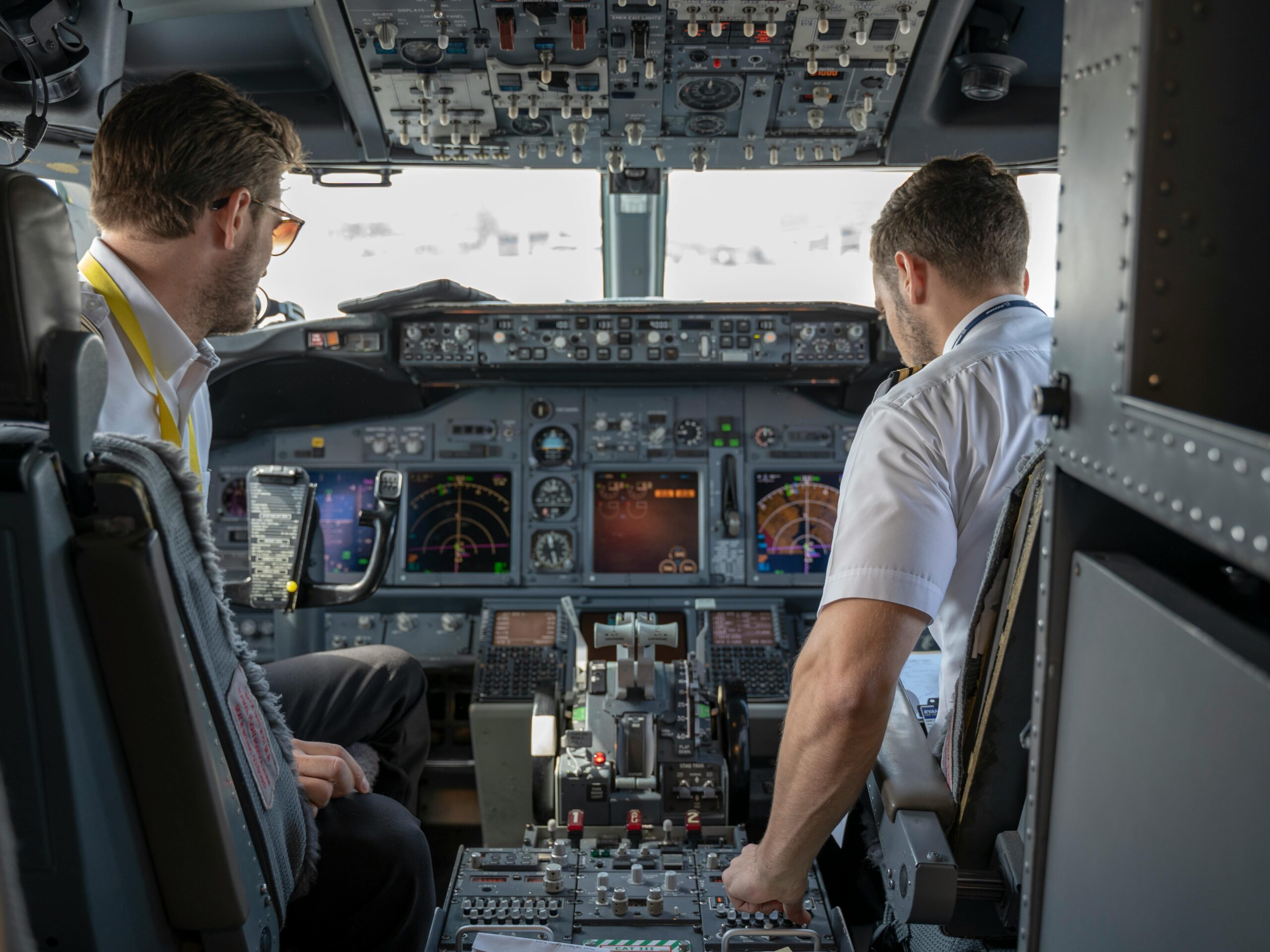
Flight instructors work from a carefully constructed syllabus. Each lesson develops new skills while consolidating previously acquired knowledge. It’s crucial to gradually increase the level of difficulty to prevent students from feeling overwhelmed. Over the course of training, things such as takeoffs, landings, and basic maneuvers become muscle memory. Skills develop naturally over time with repetition and through a step-by-step learning process that builds confidence.
Emphasis on Safety and Regulations
The focus on safety remains present throughout each step of pilot training. They teach students about aviation regulations, emergency procedures, and risk management strategies. They emphasize a commitment to safety standards both in the classroom and in the air. We’re indoctrinated into these habits early to become pilots who respect our air and those on board.
Practical Experience in the Air
Real life is practical education. Instructors teach students about the flying conditions they will experience in the real world, such as changes in weather, airspace rules, etc. From ground school to the skies, lessons are reinforced with supervised practice flights to build confidence. Sessions gradually prepare students for piloting a plane solo.
Milestones and Progress Checks
Regular assessments taken during a structured program are used to assess progress. Exam instructors use standardized checklists to evaluate students for both knowledge and flight proficiency. These serve as checkpoints to guarantee that all students meet the necessary standards before moving forward. They help catch any areas of weakness before piling on the advanced work.
Preparation for Solo Flight
Now, a big step in training is the first time you fly solo. Before this event, the students are already proficient in basic maneuvers, emergency procedures, and communication skills. Instructors closely monitor progress and only allow students to go solo when they are ready. Reaching this milestone also builds your confidence and is a significant step toward becoming a pilot.
Advanced Training and Specialization
Once students have the bedrock skills required, they move on to more advanced training. Classes are based upon navigation, night flying, and cross-country. The exposure to several airspace environments familiarizes future pilots with what independence would come with flight. For example, advanced modules can contain instrument flying and prep for commercial pilot exams, depending on what the pilot is trying to achieve.
Building Decision-Making and Communication Skills
The intelligence in decision-making and communication is what allows for safe flight. Training programs develop these traits through scenarios and role-playing. Every lesson starts with clear radio calls and how to think on your feet and create solutions for all of these quickly. These skills are important when it comes to the safety of operations, especially those that involve sudden and unusual situations.
Testing and Certification
The last stage includes writing and a practical examination. Students have to take and pass knowledge tests focused on regulations, weather, and aircraft systems. Practical tests consist of showing particular flight maneuvers and what to do in emergencies and navigation. Accomplishing all these needs gets you the necessary accreditation as a specialist pilot.
Conclusion
Structured flight training teaches foundational gliding wings and introduces superior aircraft handling, guiding novices through incremental preparative steps that enable them to progressively adapt as they become skilled aviators. Every phase is built upon the last so that it establishes a foundation for safe, confident flying. This method, emphasizing safety, skills, and continuous improvement, leads aspiring aviators from their very first lesson to their final certifying checkride. Anyone, with a structured program and discipline, can learn to fly!