In 2026, Asia’s biggest competitions won’t just move hearts – they’ll move people. The modern fan itinerary is built from two timelines at once: kickoff times and departure boards. One week it’s a multi-sport festival in Japan. The next it’s a centralized knockout run in Saudi Arabia. Then the calendar snaps to Kuala Lumpur for a badminton Super 1000, jumps to Tokyo, and keeps pulsing in Seoul for esports.
This is the quiet engine behind “global fandom”: airlines adding frequencies, airports smoothing peak days, and travelers learning how to pack a scarf, a power bank, and patience into the same carry-on. The action still happens in arenas and stadiums, but the build-up starts earlier – at check-in, at the gate, in the long corridor where you hear three languages arguing about the same match.
The new “sports season” is also an air-traffic pattern
The old idea of a sports year – one big tournament, then a lull – doesn’t fit 2026. Asia’s major events are spread across hubs that already function as aviation magnets. When schedules are fixed months ahead, they don’t just help fans plan watch parties; they help travelers choose connections, hotels near airport rail links, and return flights that don’t land five minutes before tip-off.
For aviation, the story is simple: demand spikes are predictable when the calendar is clear. Finals weekends compress travel into tight windows. Multi-sport events stretch it across two weeks. And the airports that handle it best are the ones that treat sports crowds like a seasonal weather system – expected, manageable, and worth preparing for.
Aichi–Nagoya in late September: the Asian Games become a travel tide
The 20th Asian Games in Aichi–Nagoya runs from 19 September to 4 October 2026, and that timing matters. Late September is a busy travel period in its own right; add a multi-sport event and you get a steady flow of arriving fans, delegations, media crews, and families chasing one “once-in-a-generation” trip.
Nagoya’s advantage is logistics. Travelers can route through Japan’s major aviation gateways and then transfer onward efficiently. For teams and broadcasters, the challenge is volume: oversized baggage, equipment cases, tight security windows, and transport coordination that has to work every day, not just on opening night. For fans, it’s endurance – two weeks of finals means you’re not planning a single matchday, you’re managing a whole rhythm of arrivals, day trips, and late returns.
Quick planning note for flyers: build in buffer time. Multi-venue days can look short on paper, but real travel includes queues, transfers, and the slow, human pace of a packed station.
Jeddah’s April window: knockout football with airport-clock intensity
The AFC Champions League Elite Finals in Jeddah are scheduled for 16–25 April 2026, with the late-stage matches centralized and played at King Abdullah Sports City Stadium and Prince Abdullah Al Faisal Sports City Stadium. That “single-city, single-match knockout” feel changes travel behavior instantly: fans don’t come for a long tour; they come for a mission.
In aviation terms, this is classic short-notice pressure. Once quarter-final matchups are set, travel bookings accelerate, and return flights cluster around elimination nights. The difference between a semi-final and a final is not just sporting drama – it’s two extra hotel nights, a different departure day, and a different price curve. Airports feel it in waves: arrival surges early in the window, then sharp spikes around the last weekend as neutrals and late-committing supporters fly in.
Kuala Lumpur in January, Tokyo in July: badminton’s premium weeks travel well
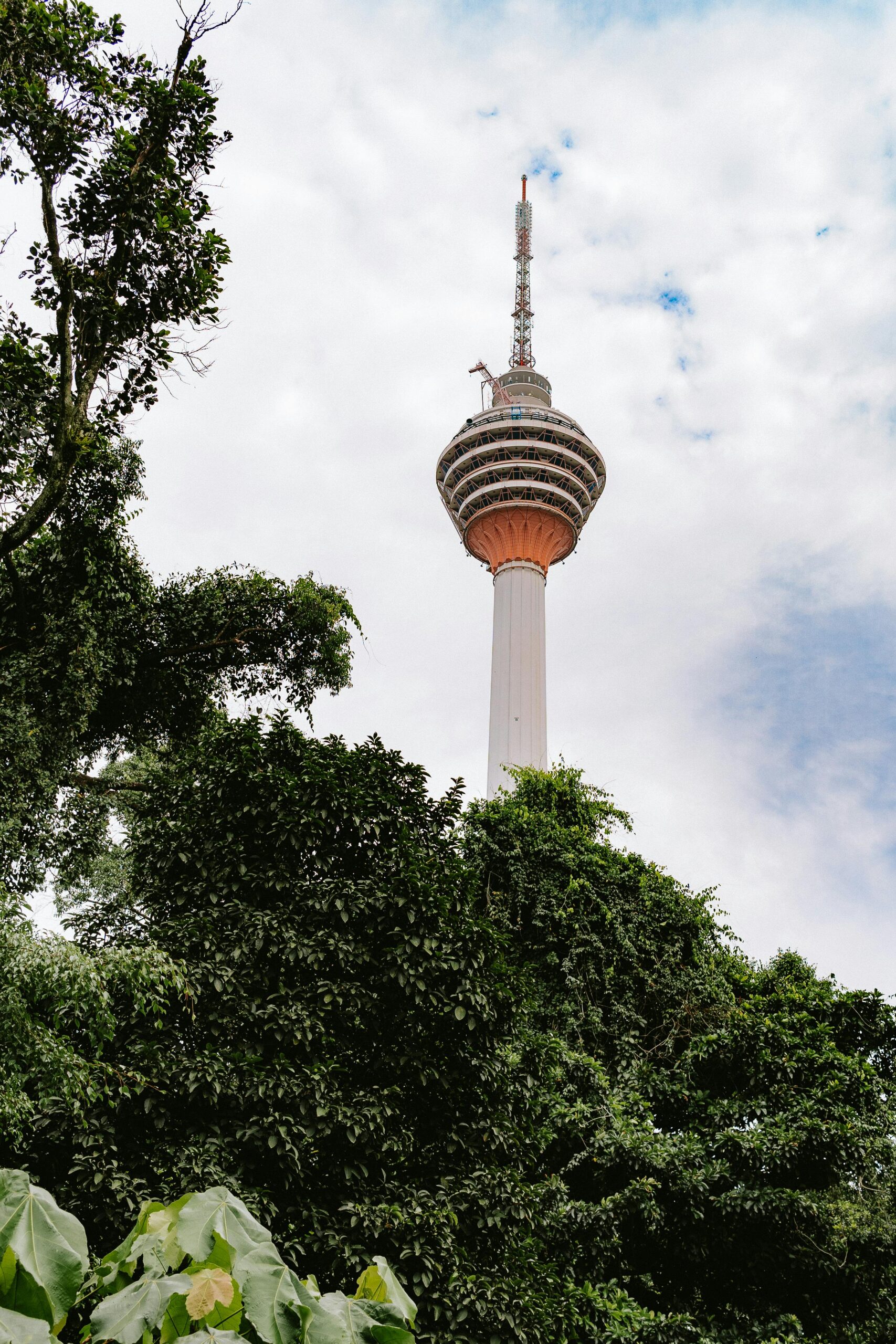
Badminton is built for the aviation era: short matches, packed sessions, and cities that can host fans for four or five days without requiring a full vacation. The PETRONAS Malaysia Open runs 6–11 January 2026 in Kuala Lumpur, and the DAIHATSU Japan Open follows 14–19 July 2026 in Tokyo. These are the kinds of trips travelers love because they fit neatly between work weeks.
Air-travel details shape the experience more than people admit. Early-morning arrivals help you catch first-day sessions without paying for an extra night. Late-evening departures let you attend finals day and still fly out. Carry-on strategy matters, too: fans traveling light move faster through terminals and don’t lose half a day waiting for baggage belts.
Badminton’s pace is also changing for broadcasts and in-arena timing. A 25-second time-clock concept is being rolled out in 2026 to keep play flowing, which makes sessions more predictable – good for fans trying to line up venue exits with the last airport train.
Snapshot: the 2026 “fly-in, fly-out” calendar fans actually follow
| Event | Dates (2026) | Travel style that fits |
| Asian Games (Aichi–Nagoya) | Sep 19 – Oct 4 | Long stay, multi-venue planning |
| ACL Elite Finals (Jeddah) | Apr 16 – Apr 25 | Short window, high stakes, flexible return |
| Malaysia Open (Kuala Lumpur) | Jan 6 – Jan 11 | Quick trip, session-based days |
| Japan Open (Tokyo) | Jul 14 – Jul 19 | Week-long city break, finals weekend |
Seoul’s esports runway: when a league schedule becomes a flight plan
VCT Pacific in 2026 is organized like a proper season: Kickoff (22 Jan–15 Feb), then Stage 1 (3 Apr–17 May), then Stage 2 (16 Jul–6 Sep). That structure turns esports travel into something surprisingly traditional. Fans don’t just fly for a single match; they pick a week, choose a stage, and build a trip around the narrative.
Seoul also behaves like a hub city in the purest sense: transit-friendly, quick to move through, and designed for dense schedules. For travelers, that means you can land, drop a bag, and still make the arena on time. For aviation, it means repeated waves across the year rather than one overwhelming peak – steady demand that rewards planning more than luck.
How this connects to betting and casino habits when fans are in transit
Air travel changes how people consume sports. Time zones compress decisions. Airport delays create unexpected “extra innings” of waiting. In that gap, many adult fans treat markets and lines as another live layer of the event.
One practical reality is that online betting becomes most tempting when the phone is already the control center for the trip. A traveler checks gate changes, then checks team news, then checks live prices as the match approaches in a different time zone. Smart bettors keep it structured: they decide stake sizes before boarding, avoid chasing swings during turbulence of emotion, and use simple rules like “one market per match” to keep the experience steady. When schedules are tight – late arrivals, early kickoffs – the disciplined approach feels less like restriction and more like keeping the trip enjoyable.
For Filipino fans who follow multiple sports across Asia, a single app can feel like part of the travel kit rather than a separate hobby. When flight times collide with match start times, MelBet Philippines is often used the same way people use a score tracker: quick checks, clear market browsing, and fast updates that fit airport Wi-Fi realities. Many bettors focus on basics that travel well – moneylines, spreads, totals – then adjust for factors that aviation makes obvious, like fatigue after long journeys and short rest between games in centralized tournaments. The goal is simple: stay connected to the competition without turning the trip into a stressful spreadsheet.
Streaming rights, mobile internet, and the airport as the new “sports bar”
The aviation angle isn’t only about people flying to events. It’s also about how airports and flights have become viewing spaces. Lounges run highlights like background music. In-flight Wi-Fi turns delays into live-stat refresh marathons. And when streaming deals lock in long-term distribution, fans don’t need a TV schedule – they need a charged phone.
Japan is a clean example: DAZN’s J.League partnership is secured long-term, reinforcing that streaming is a backbone rather than an experiment. Meanwhile, the Philippines remains aggressively mobile-first: by the end of 2025, DataReportal reported 98.0 million internet users and 83.8% penetration, which explains why Asian competitions travel so fast through group chats, clips, and second-screen habits.
A flyer’s checklist for building a sports trip that doesn’t fall apart
- Choose flights around the match, not the other way around: aim to land the day before a big game if you can.
- Add buffer time on finals days: security lines and venue exits are slower when everyone leaves at once.
- Plan your power: charger, power bank, offline tickets, and screenshots of schedules.
- Pack for security reality: minimize metal, keep liquids simple, and avoid last-minute bag reshuffles.
- Decide your “sports rhythm” early: one day for travel, one day for the event, one day for recovery works better than nonstop sprinting.
When the year is this packed, the best trips aren’t the ones that chase everything. They’re the ones that pick a few nights that matter – and arrive in time to feel the city breathe before the crowd roars.