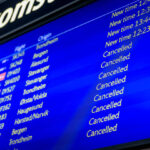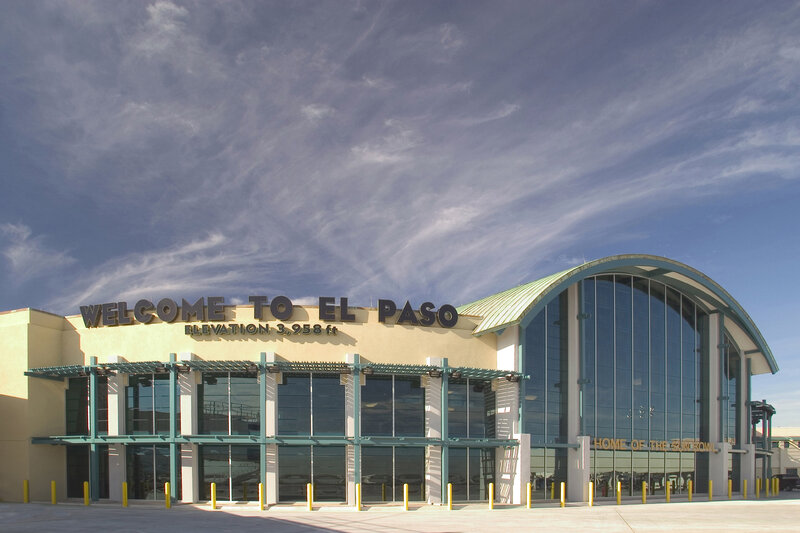
Commercial flights were briefly halted on February 11, as airspace around El Paso International Airport was abruptly closed. U.S. officials initially imposed a 10-day restriction for security reasons, only to swiftly reverse the decision shortly afterwards. In the following hours, federal officials announced there was no ongoing threat to commercial aviation, allowing operations to resume as usual.
FAA Airspace Closure Sparks Chaos
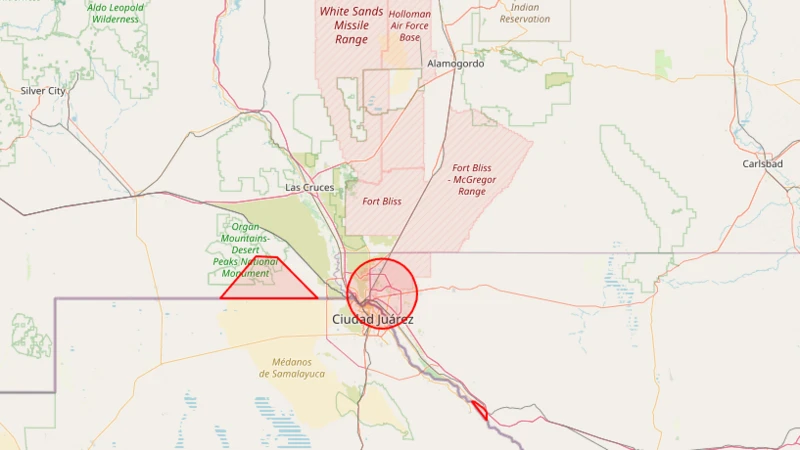
The news broke on Tuesday night when the Federal Aviation Administration (FAA) announced a temporary flight restriction over El Paso International Airport. The restriction prohibited all flights to and from the airport, reaching up to a height of 18,000 feet and a radius of 10 miles. Immediate disruptions followed as flights of all types were halted. With just hours’ notice, airlines and passengers were caught off guard and confused.
Officials then reversed the restriction on Wednesday morning, despite originally scheduling it to last until Feb. 21. In a statement on social media, the FAA said:
“The threat has been neutralized, and there is no danger to commercial travel in the region. The restrictions have been lifted and normal flights are resuming.”
El Paso International Airport handles several million passengers annually, serving as a regional gateway with nonstop links to big U.S. cities. Undoubtedly, a longer closure could have thrown the Southwest’s domestic flights and air rotations into chaos.
Why the airspace shutdown?
While the FAA gave no immediate explanation, speculation spread online. Subsequent reports from U.S. media outlets linked the closure to government drone-related testing or the misidentification of a balloon as unmanned aircraft. Likewise, transportation officials issued varying explanations, ranging from counter-drone activity to technology testing at nearby military facilities.
For commercial airlines, the leading impact was the growing uncertainty rather than sustained closure. For the most part, restrictions are issued during natural disasters, political events or national security situations. But it’s rare to see such long closures over busy civilian airports.
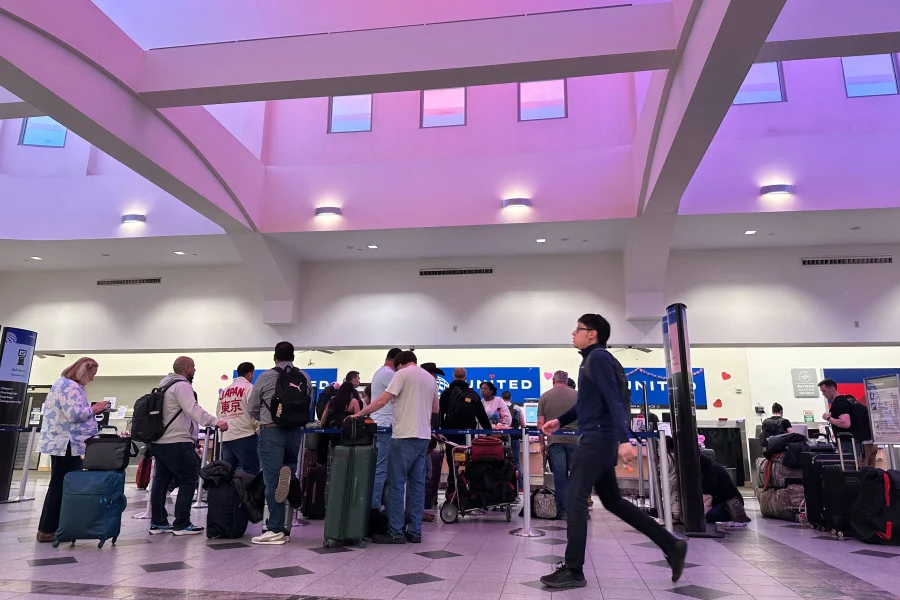
Aviation analysts noted that even short-notice airspace closures can ripple through airline timetables, crew duty limits, and aircraft positioning, particularly at airports integrated into broader hub-and-spoke networks. Although the restriction lasted only hours, carriers had no choice but to adjust schedules and rebook passengers. Overall, serving as a reminder of how quickly regulatory actions can shut down commercial flight operations.
How would you have handled the sudden airspace closure? Share your experience or thoughts below!