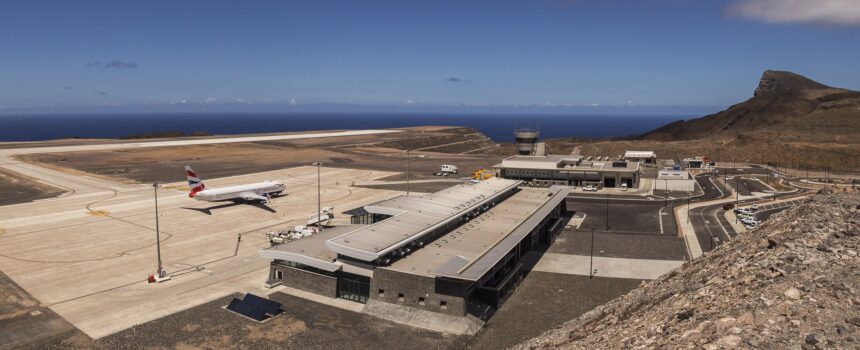
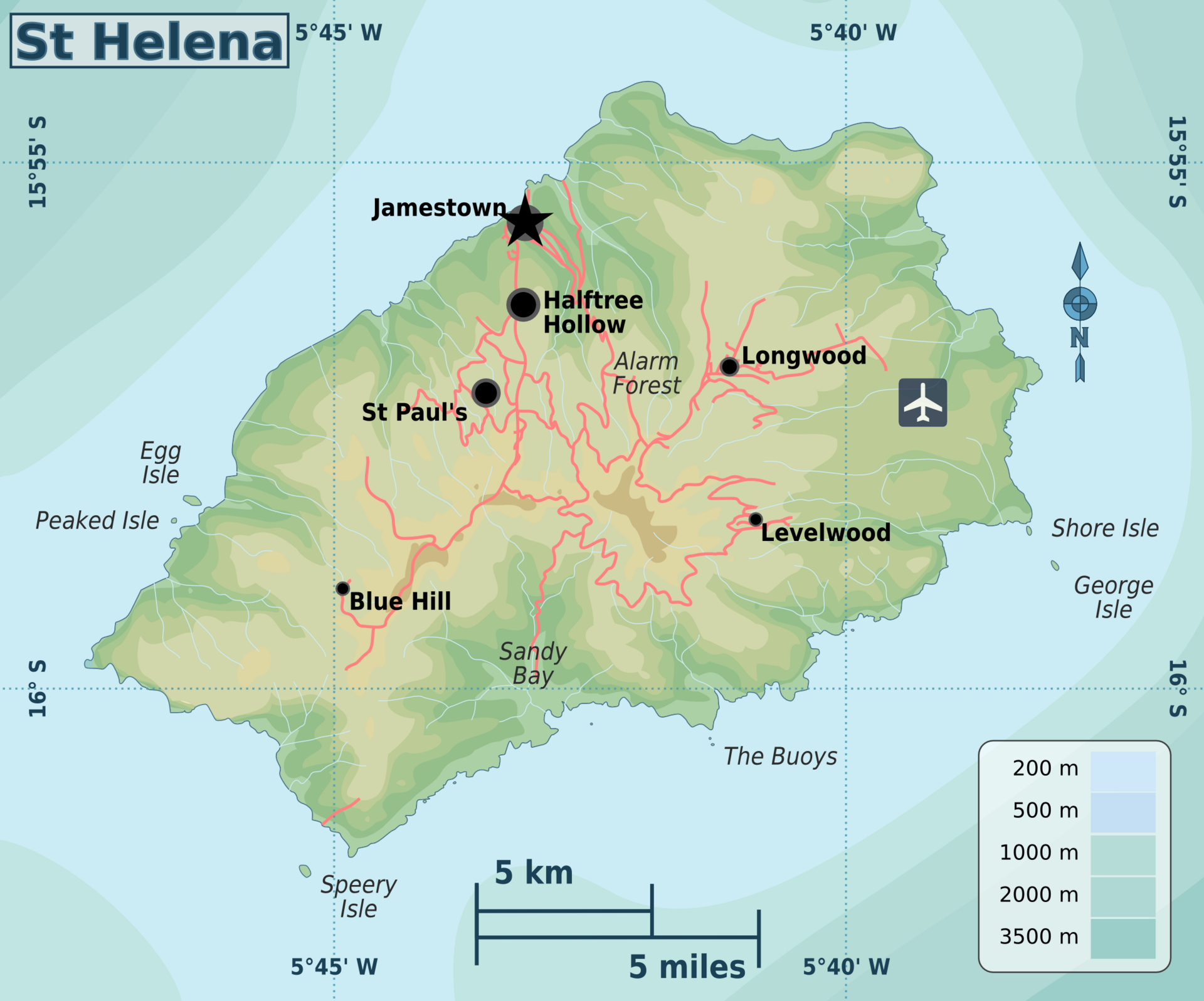
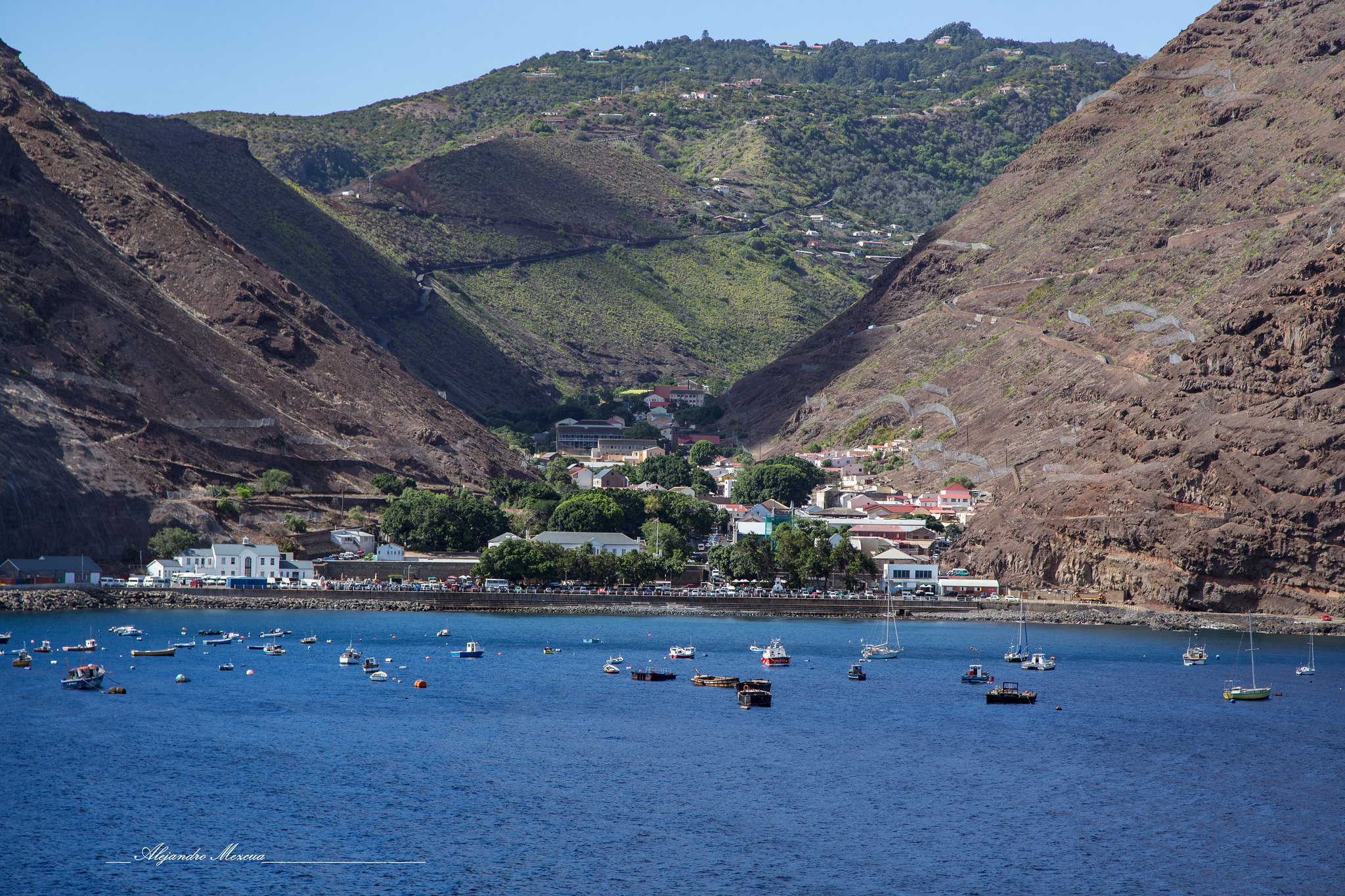
St. Helena, a remote British overseas territory in the Atlantic Ocean, located 1,200 miles (1,900 km) off the southwest African coast, has had its only airport closed since Feb. 9, 2026, over fire safety concerns. The island is home to 4,000 people and relies entirely on the airport for access.
The local government declared a major incident after inspections revealed that the airport’s fire engines failed to meet international safety standards, forcing the airport to halt operations.
Residents and travellers stranded
While limited Category 4 operations, such as medical evacuations, are still permitted to fly, all commercial flights have been cancelled until at least Feb. 20.
With no alternative air access, residents and visitors are effectively stranded, as sea travel takes several days. Tourists face additional costs for food, accommodation, and extended travel insurance while waiting for flights to resume.
The BBC spoke to an affected traveller, Hugh, who flew to St. Helena with his girlfriend in January to visit family but now does not know when they will be able to return to the UK. He told the broadcaster:
“We are due to leave here on 15 Jan. to fly to Johannesburg and then on to the UK.”, he told the BBC. “We haven’t heard anything from Airlink or British Airways about our flights yet. We can’t make alternative bookings as we don’t know when the airport will reopen. New flights could cost us £3000 and we’re looking at extending our travel insurance that will cost us £90 for 45 days or £190 for over that and also there is the accommodation in Johannesburg. We used up most of our leave and now we might have to take unpaid leave. We have a mortgage to pay at home and with the cost of living, it’s a lot of money.”
Longstanding issues and economic impact
The UK-funded airport opened in 2016 at a cost of £285 million but has faced ongoing problems. A review by UK MPs in 2016 concluded that British taxpayers had been “unquestionably failed”, while the Public Accounts Committee later described the airport as a “white elephant”.
At a press conference, Governor Nigel Phillips said that the airport fire engines have each developed faults, reducing fire cover and leaving “insufficient fire suppressant” available in the event of an emergency.
The closure could have significant economic consequences for the island, where tourism has become a focus of the economy since the airport opened. Upcoming events, including what has been described as the world’s most remote marathon on Feb. 22, may also be affected.
The UK government said a specialist team has been set up on the island to work towards reopening the airport and advised those impacted to contact their airlines and travel insurers.
Have you also been impacted by the closure of the airport on the island of St. Helena? Share your thoughts in the comments.