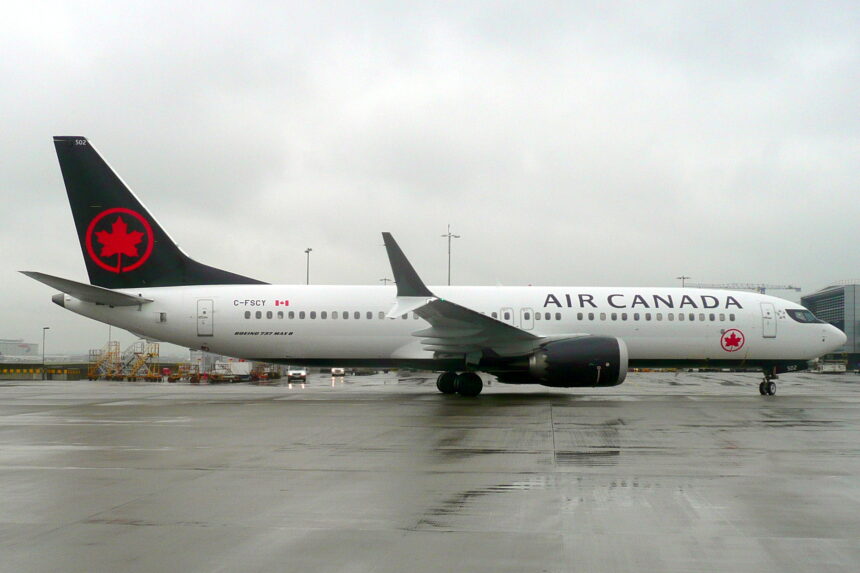
Air Canada has suspended service to Cuba, effective immediately, due to an ongoing aviation fuel shortage announced by the Cuban authorities on Sunday, Feb. 8. This has triggered a rapid operational response focused on getting the 3,000 affected passengers home safely.
Aviation fuel will not be available at the island’s airports until at least March 11, 2026, according to a Notice to Aviation (NOTAM).
The fuel shortage is linked to longstanding U.S. sanctions, which restrict the island’s ability to import and export energy products through conventional international markets. The confiscation of Venezuelan oil tankers by the Trump administration has also contributed to the worsening of the energy crisis in Cuba.
How Airlines Prepare for Repatriation
The priority when an airline is forced to suspend service is returning customers home. Air Canada will operate empty ferry flights (planes without passengers) to the island over the coming days to maintain its regular schedule from Cuba to Canada to pick up these customers. This allows the airline to maintain an orderly flow of return services rather than attempting extensive one-off evacuations.
To mitigate the fuel uncertainty, Air Canada is tankering additional fuel into Cuba and, where required, planning technical refuelling stops on the return journey.

Air Canada’s Refunds Policy
Air Canada Vacations is introducing a refund policy to affected customers, allowing them to automatically receive a full refund in their original form of payment. The carrier did not request travellers to rebook.
The airline’s suspension of flights to Cuba highlights the operational challenges airlines face when essential resources, such as aviation fuel, become unreliable. Air Canada has focused on passenger safety and prioritised structured repatriation flights.
Have you experienced an unprecedented event on your travels? Let us know in the comments.