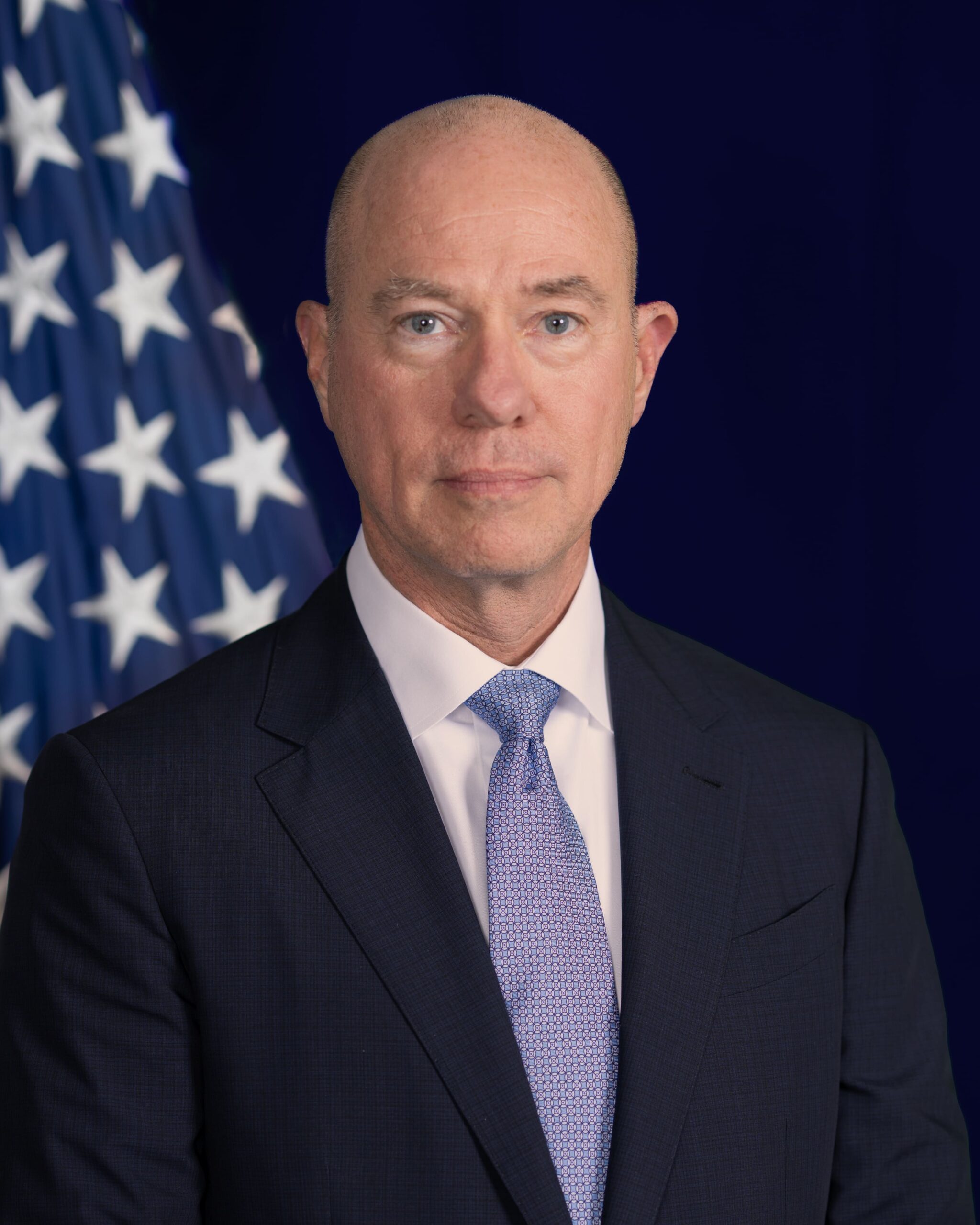
Head of the U.S. Federal Aviation Administration (FAA), Bryan Bedford, said on Monday, Feb. 2, that his agency accepted responsibility for systemic failures that led to the collision of an American Airlines regional jet and an Army Black Hawk helicopter near Ronald Reagan Washington National Airport (DCA) on Jan. 29, 2025.
NTSB Investigation
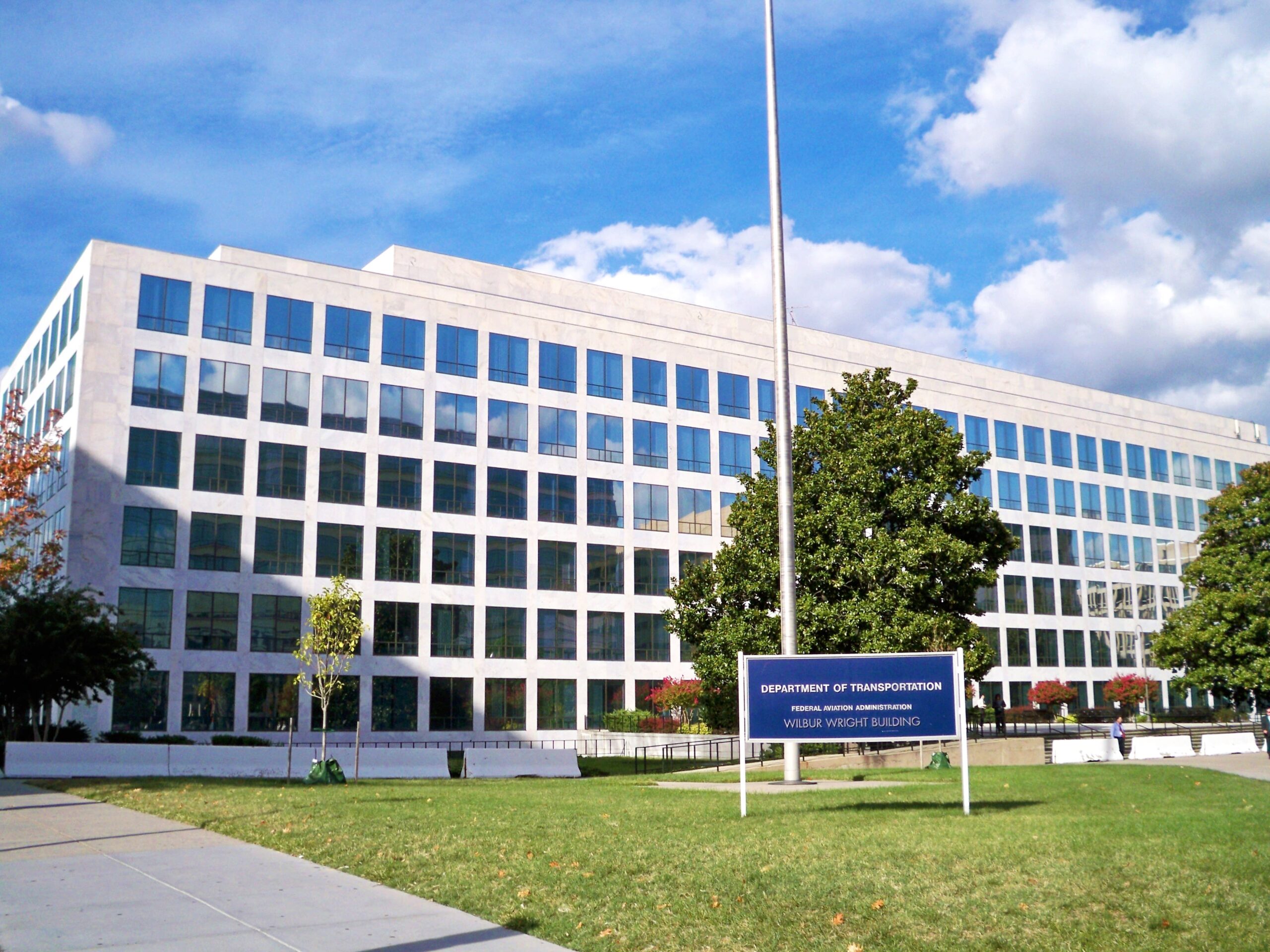
Bedford’s admission came after the U.S. National Transportation Safety Board (NTSB) revealed last week that it determined the accident that killed 67 people was caused by the FAA’s decision to authorise helicopters to fly close to the airport without safeguards to separate them from airplanes.
The NTSB added that the FAA had failed to review data and act on recommendations to move the helicopter traffic away from the airport.
When questioned by reporters at the Singapore Airshow, Bedford stated:
“We don’t disagree with anything that the NTSB has concluded from their investigations. Many of the recommendations have already been put into action. Those that haven’t, we’re going to evaluate.”
Reporters also asked if the FAA would follow through on U.S. President Donald Trump’s threat to decertify Canadian-made aircraft, but Bedford declined to comment.
The Midair Collision
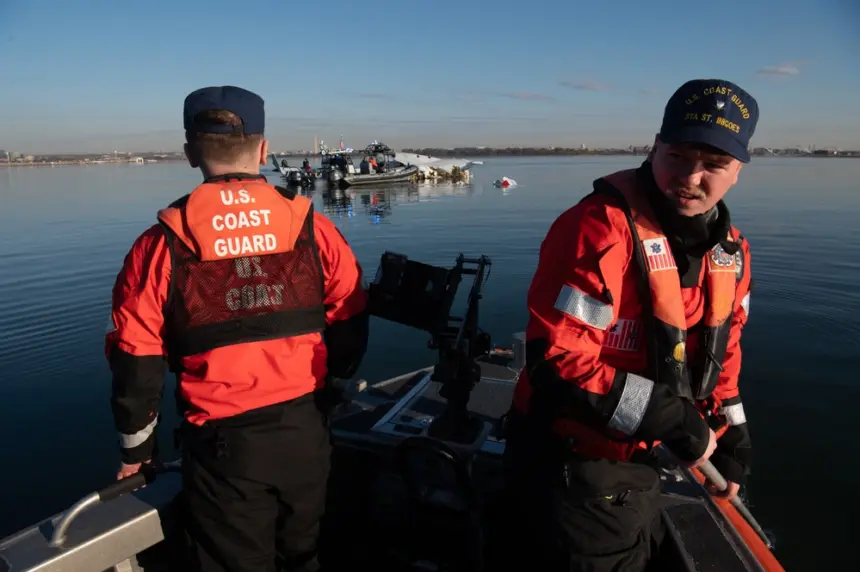
On Jan. 29, 2025, the American Airlines regional jet, which had departed from Wichita, Kansas, and the Black Hawk helicopter collided midair close to the Ronald Reagan airport, where the jet was preparing to land. The incident occurred at around 9 p.m. local time, and both aircraft subsequently fell into the Potomac River.
Killing all 67 people on board the two aircraft, including 28 members of the figure skating community, this incident marked the deadliest airplane crash in the U.S. since 2001.
Last month, U.S. Transportation Secretary Sean P. Duffy announced that the FAA was formalising permanent restrictions for helicopters operating in certain areas around the Ronald Reagan airport. These measures were implemented immediately after the crash, but it was unclear if they would be fixed.
The NTSB is expected to give additional recommendations.
What do you think of the FAA’s responsibility in the collision? Share your thoughts in the comments.