



The United States Federal Aviation Administration (FAA) has finalised a new rule this week, which will mandate aircraft cockpit voice recorders (CVRs) to retain 25 hours of recordings. Previously, aircraft were required to maintain only two hours of data. This rule affects all new passenger aircraft starting in 2027.
Importance of CVR data
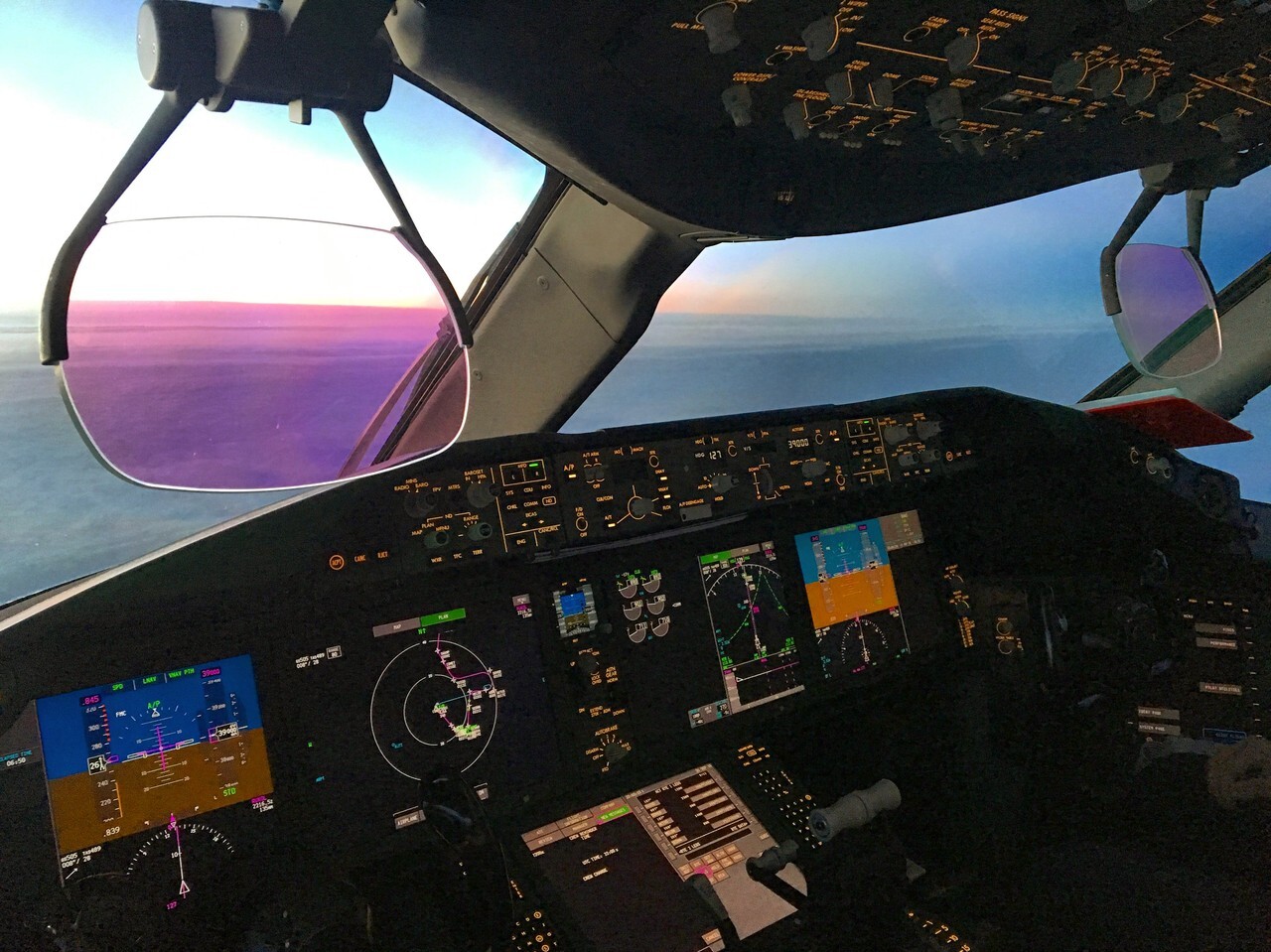
CVRs retain important voice data from the flight deck and include “unique information”. Planes are required to be equipped with said CVR, which can record radio transmissions and sounds in the cockpit. Its microphone is usually located in the overhead instrument panel in the flight deck, between the two pilot seats.
At present, CVRs are required to retain only the last two hours of recordings. Once the limit is reached, the device overwrites the older data and maintains a rolling two-hour recording. This regulation increases the minimum duration of CVR recordings to 25 hours.
such as engine noise, stall warnings, landing gear extension and retraction, and other “clicks and pops”.
Listening to these sounds can help investigators to determine important information and improve safety measures. The FAA, in an official release, said:
“These sounds help an investigator to determine parameters such as engine rpm, system failures, speed, and the time at which certain events occur.”
Beyond sounds from the flight deck, the CVR also captures communications with air traffic control, automated briefings, radio conversations, and conversations among ground staff, flight crew, and the pilots.
“Access to this information allows investigators to investigate accident and incident factors more thoroughly. Incident factors include the flight crew’s procedural compliance, distraction, decision-making, workload, fatigue, and situational awareness,” the FAA said.

NTSB’s push
The National Transport Safety Board (NTSB) has been pushing for this rule since 2018. The need for increasing the retention limit became evident after a 2017 incident at San Francisco International Airport (SFO), where an Air Canada flight crew on an Airbus A320 was cleared to land on a specific runway but instead lined up with a parallel taxiway.
After the aircraft reached an altitude of 100 feet above ground level (AGL), it overflew an airplane on the taxiway and then a second one before starting to climb. The NTSB found it difficult to gather the required information during the investigation, as the CVR data was overwritten before Air Canada officials learnt of the severity of the event.
Europe has mandated 25-hour recordings since 2021. The FAA has provided aircraft compliance timelines between one and three years, as the rule, which was proposed in 2023, takes effect immediately. Separately, the U.S. Congress had passed legislation in 2024 requiring all passenger aircraft to be retrofitted with the 25-hour recorders by 2030.
What do you think of this new rule and the safety measures currently in place? Share your thoughts in the comments.









i enjoy reading your articles, it is simply amazing, you are doing great work, do you post often? i will be checking you out again for your next post. you can check out webdesignagenturnürnberg.de the best webdesign agency in nuremberg Germany