


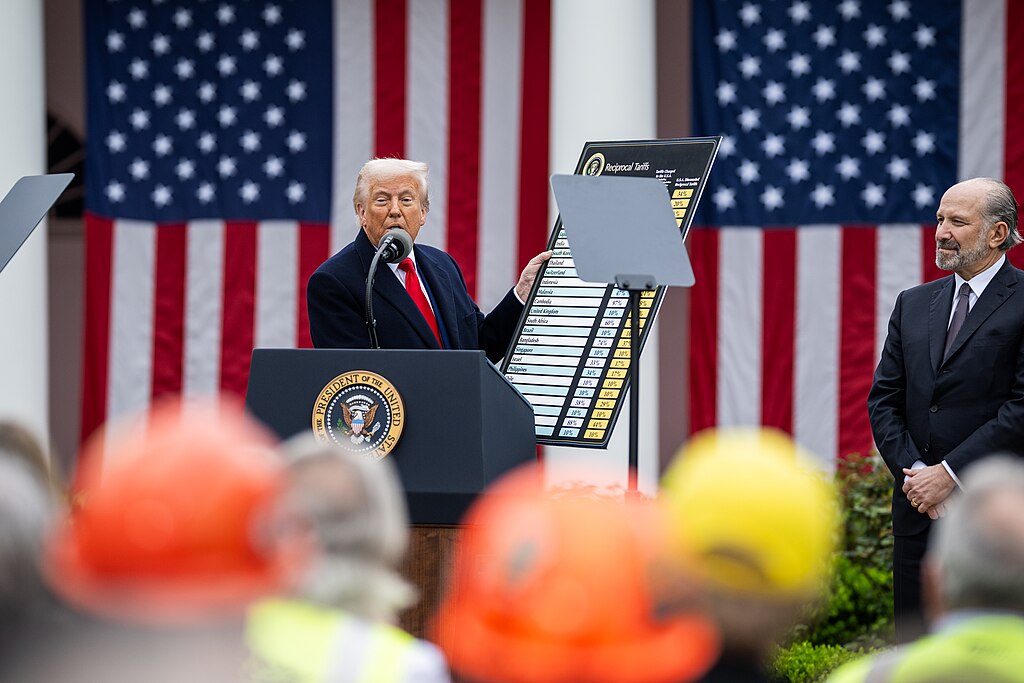
Aircraft tariffs have a history of reshaping markets and have had a significant effect on commercial aviation; trade disputes always make headlines when there has been political tension, and the effects linger long-term. Recently, Trump announced tariffs that threaten to reshape commercial aviation amid rising global trade tensions, following the imposition of a 50% tariff on Canadian aircraft. But this is not a new phenomenon, as the measure was previously overturned in 2018 by the U.S. International Trade Commission.
Why Aircraft tariffs matter for commercial aviation
For passengers, trade disputes seem distant from the traveller experience, but in the current political climate, these disputes can reshape how airlines operate. While much focus is on the stock market reaction, it is also important to highlight how manufacturing and airline planning will be affected by this shift in trade policy. The exposure to this new tariff will lead to many aspects of aviation being in disarray.
Understanding how tariffs operate in aviation and how they have been used in the past helps explain why airlines and manufacturers react so strongly when new tariffs are imposed.
What an aircraft tariff is, and why it matters
Before examining why Trump’s renewal of tariffs on Canadian aviation is significant; we must first define what an aircraft tariff is. An aircraft tariff is a tax placed on imported aircraft or components. This is a strategic decision intended to, in theory, protect domestic manufacturers by making foreign-built products more expensive to purchase. But this decision rarely comes without its drawbacks.
Commercial aviation is among the most volatile industries when tariffs are implemented, as they affect the operations of airlines, manufacturers, and investors. Most modern commercial aircraft are due to international cooperation, and many components are manufactured and assembled across multiple countries. When a tariff targets one country, the whole network of suppliers is ultimately affected, which can cause delays and loss of investments.
Tariffs affecting commercial aviation
Canada plays a crucial role in global aviation, particularly in aircraft production. With this decertification of Bombardier jets, the aviation industry would lose many of the positives of Canadian jets such as thinner routes, their connectivity to smaller cities and major hubs and their fuel efficiency.
Trump’s reinforcement of these tariffs is about promoting his “America first” agenda, prioritising the U.S. market for American-made goods. The strategy is meant to make Canada less competitive while protecting the U.S. aviation industry. One of the most prominent examples of these types of tariffs is the long-running Boeing-Airbus dispute, which led to tariffs between the United States and the European Union.
Boeing caught between this ongoing tariff trade dispute against the U.S. and China, subsequently led to Chinese airlines returning a lot of their planes, instead of paying a 125% import tariffs, according to Barron. As a result, Boeing had noted that there has been a significant increase in import costs that were estimated to be less than $500 million.
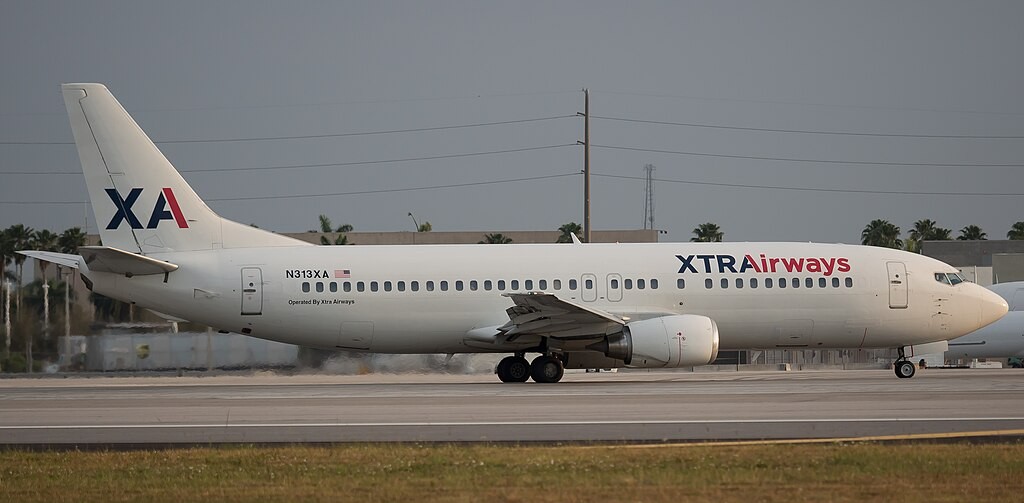
How tariffs affect airlines, manufacturers, and passengers
Manufacturers concerns are more practical than political, with the increase in tariffs many cannot completely switch to domestic suppliers to avoid the high margins. With these high margins, in order to meet current demands and keep deals afloat, manufactures will try and absorb tariff costs but this can be detrimental to their profitability. The effect of tariffs on airlines will be significant as they may have to delay fleet renewals, rethink routes or even charge higher prices to passengers.
This new restriction puts pressure on regional carriers, operating on thinner economic margins. A single jet can rely on many foreign parts that can come from across many borders. Manufacturers for this very reason may respond to this by restructuring their supply chains but that can be time-consuming and expensive to put in place.
Steel/aluminium tariffs imposes a 50% on imports of aircraft parts that are deemed to threaten the national security of the U.S. Tariffs act as a blockade for manufacturers and airlines, as with them, it becomes more expensive to obtain raw parts and material; hindering business. It keeps production strictly on the mainland and creates future problems for foreign trade. When one country imposes a tariff there is often a retaliation tariff that follows which causes a never-ending trade struggle that hinders both respective parties.
For passengers, tariff impacts are reflected directly on their tickets, but the effects can surface over time. When operating costs increase, it may lead to airlines reducing their flight frequencies or increasing prices. This trade friction will undeniably continue to make the aviation industry vulnerable. With the reliance on mutual certification agreements and markets in this political climate, the aviation ecosystem, as a consequence, could be greatly affected.
Want to learn more about the latest tariffs being reinforced? Comment and keep the conversation alive by reading more only on Travel Radar!








i enjoy reading your articles, it is simply amazing, you are doing great work, do you post often? i will be checking you out again for your next post. you can check out webdesignagenturnürnberg.de the best webdesign agency in nuremberg Germany