The removal of aircraft at Juba International Airport is underway after South Sudan’s aviation regulator ordered airlines and operators to clear abandoned or unserviceable planes within 30 days.

Laying in Wait
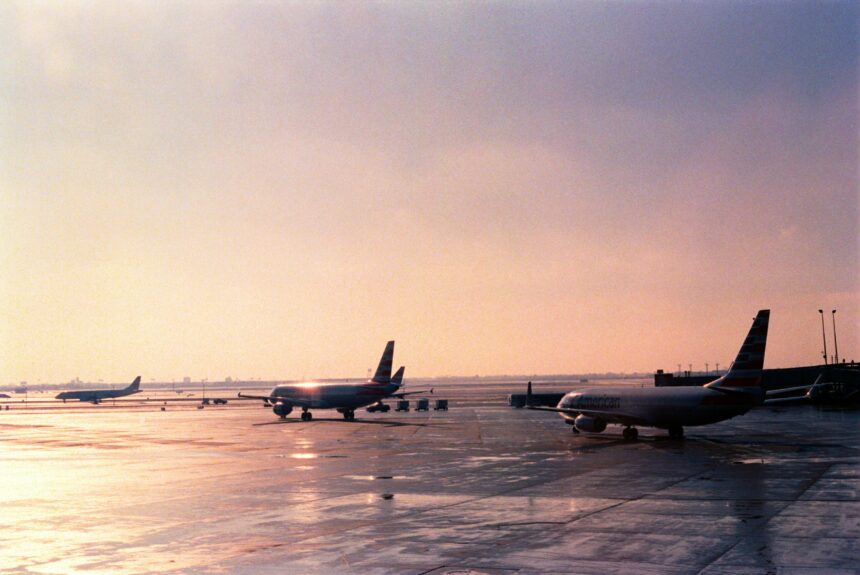
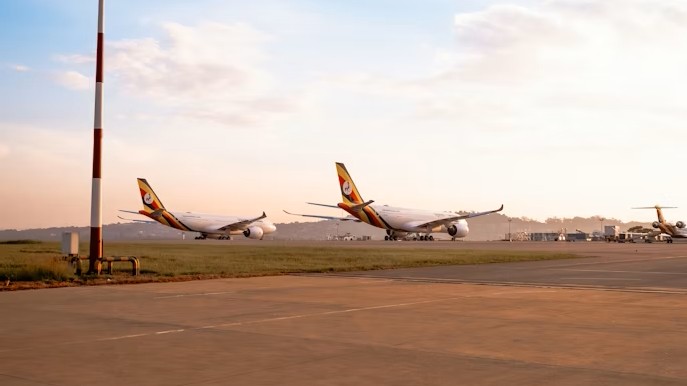
Aircraft parked along taxiways or sitting idle on aprons have drawn attention from officials. Since early this year, new guidance has taken effect under orders from the South Sudan Civil Aviation Authority. These grounded planes create hazards – not just for safety but also for how smoothly operations run. Unused space meant for movement becomes blocked, slowing everything down. Airfield functionality suffers when areas designed for active use host inactive equipment. This step stands out compared to past hesitation at Juba International Airport. Regulation has rarely been applied so directly at the nation’s primary air entry point.
Even though officials did not name particular aircraft, Sudans Post mentioned the move signals stronger attention to safety since Ayiei Garang Deng Ayiei took over as Director General in Dec. 2025. With flights slowly increasing – fixing things up seems tied to aligning Juba’s airport practices more closely with global norms.

A Constrained but Improving Operating Environment
Years of unrest left Juba’s airport struggling with tight spaces and shaky operations, unlike others in the East Africa region. Back in 2016, combat close to the runway shut everything down for a time – part of a wider war that started three years earlier. Even though heavy fighting hasn’t returned nearby, signs remain. Old gear sits idle, taking up valuable room for planes to park.
Back in Nov. 2025, the UN mission in South Sudan gave back land near the airport it once used. That patch of ground saw hundreds of cargo boxes hauled away, while a hangar and living quarters were relocated. These moves showed better teamwork forming between local air officials and global groups working there.
Now pushing forward, the SSCAA’s newest directive focuses on clearing room, smoothing plane traffic, slowing down ground risks. When runways support both aid missions and trade flights, small adjustments can have an outsized impact.

Airlines Currently Serving Juba
Right now, Juba sees plenty of airlines coming through – Ethiopian Airlines leads with about 28% of available seats each week. Flights also arrive from Nairobi, Kampala, Istanbul, and Cairo, pulled in by regional demand and steady routes across East Africa. Tracking shows these carriers maintain consistent schedules despite shifting conditions on the ground.
Smaller airlines help too – Kush Air Uganda, Badr Airlines, Fanjet Express, Tarco Aviation, plus Mission Aviation Fellowship of South Sudan and Boskovic Air Charters. From aid flights to private trips, their work shows how vital the airport is across regions where roads are few.
What Happens Next
A month is all they get to meet the SSCAA’s new rule. Though specifics on penalties stay under wraps, one thing stands firm: breaking it means trouble. Planes sitting unused might face moves, fixes, or being torn apart. However, the changes could lead to safer landings and less congested airspace overhead.
Trust from foreign airlines may slowly return as things shift. In South Sudan, flights matter more than roads when reaching beyond borders. This change feels small, yet points toward something steadier at Juba’s airport.
Stay up to date with all things aviation by subscribing to Travel Radar today.