

On December 19, Boeing asked the US Federal Aviation Administration to waive airplane emissions rules to allow it to sell another 35 Boeing 777F aircraft, citing steady customer demand and a delay in the next-generation plane’s certification.
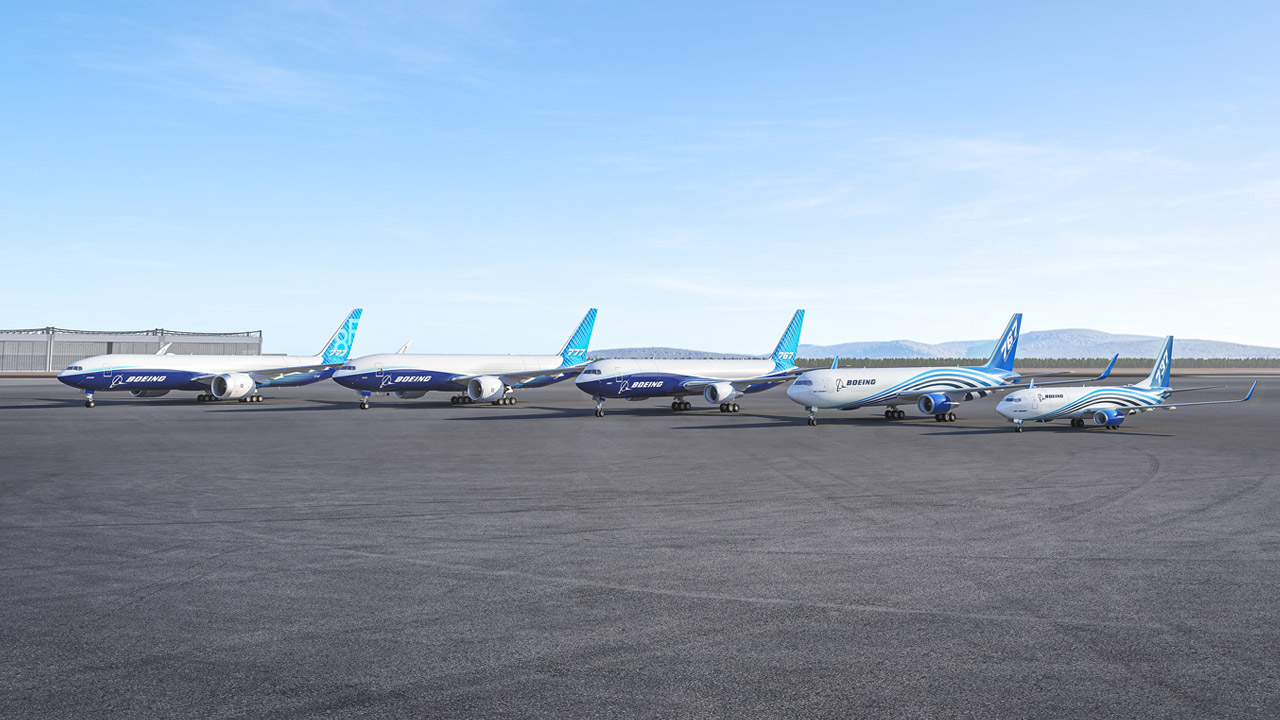
Boeing’s 777F will exceed regulations
The new rules for airplane emissions take effect in 2028. Under FAA regulations aircraft which exceed certain fuel-efficiency limits will no longer be eligible for flight certificates after that date.
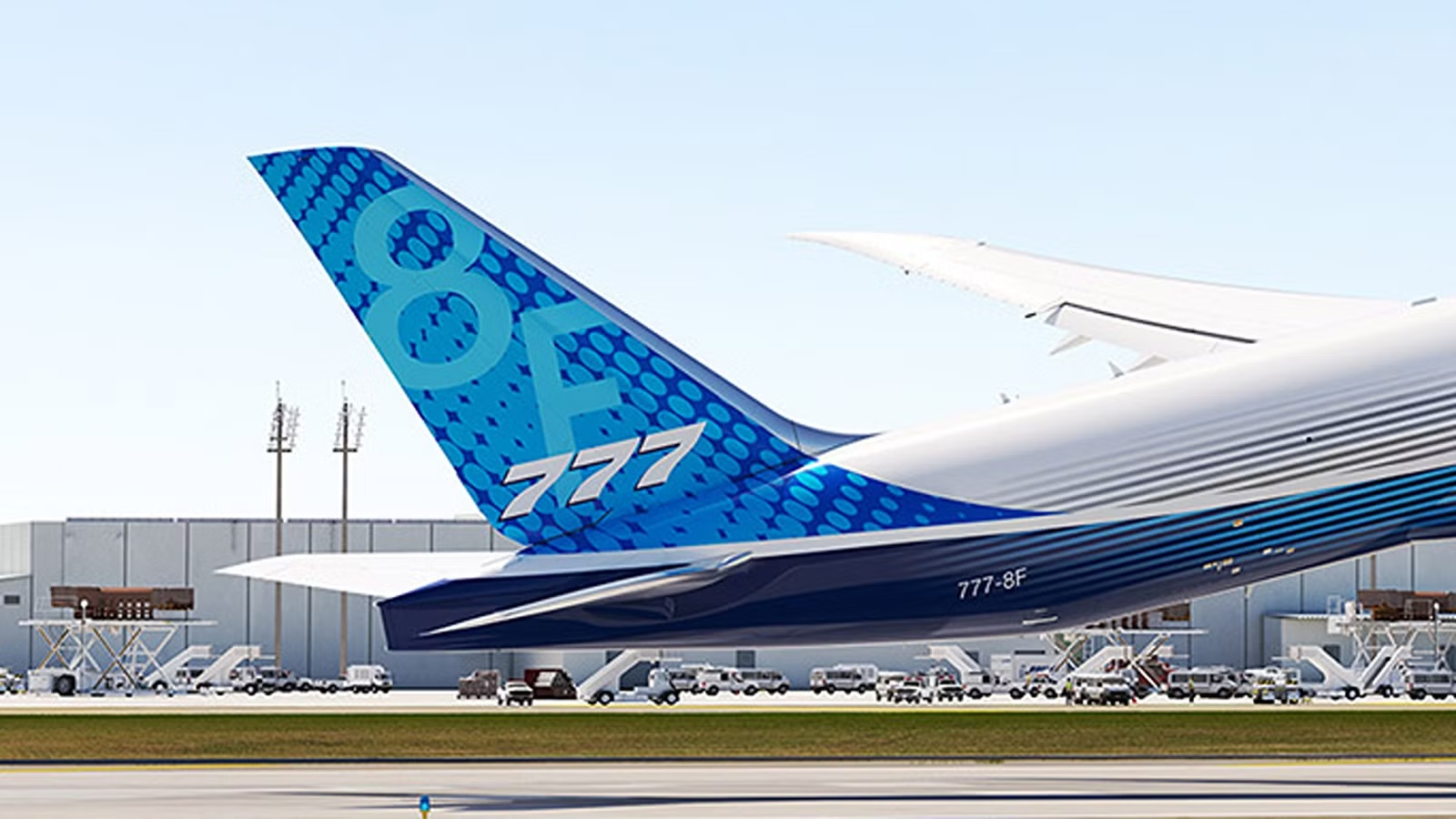
Boeing acknowledged that the 777F ‘exceeds’ the set fuel efficiency limit, but says its next-generation 777-8 Freighter, which complies with the set limits, will not be ready until after that date.
Boeing said the waiver would allow it to meet anticipated customer demand for cargo planes prior to the 777-8F entering service.
FAA’s new rules
In 2024, the FAA issued final rules adopting international standards to reduce carbon pollution from most large airplanes flying in US airspace.
With the new rules airplanes manufactured after January 1, 2028, are required to incorporate improved fuel-efficient technologies before they can take to the skies. However, the rules do not apply to aircraft made or in service before that date.
The FAA has reported that civil aircraft account for 9% of domestic transportation emissions and 2% of total US carbon pollution.
Boeing requests permission to sell additional 777Fs
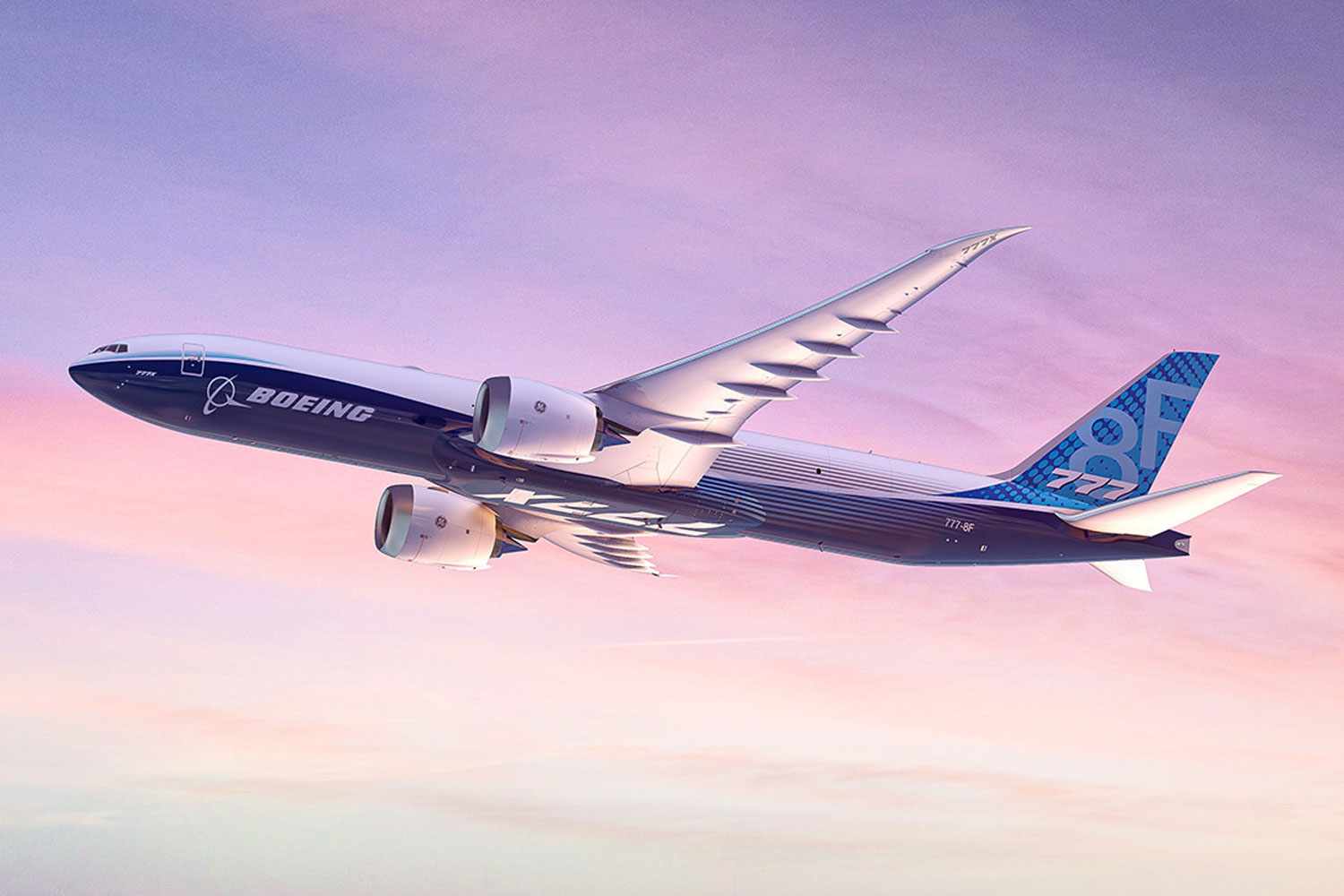
Boeing is requesting permission to sell 35 additional 777Fs, which would otherwise be denied under the new rules.
The company has said:
“Additional 777Fs are needed after [Jan.1 2028], to maintain an uninterrupted supply of large freighters to the market prior to the introduction of the 777-8F. The requested relief will allow Boeing to meet anticipated customer demand and support the substantial public interest in the sustained transportation of air cargo prior to the 777-8F entering service.”
Boeing is hoping to secure the exemption by the beginning of May 2026.
It argues that the air freight market ‘relies’ on the 777F, which is powered by GE Aerospace GE90 engines, to connect major cargo hubs.
It also says the 777F is the only high-capacity freighter in production, and maintaining continuity to the 777-8F is “critical” to the economic stability of the programme.
For more updates, follow Travel Radar.