The airline reward flight challenge: not enough seats.
It’s safe to say that airline miles are at the peak of their popularity. Whichever continent you sit on and whoever your favourite airline is, there will be a multitude of ways to collect points. Platforms like YouTube and TikTok are now filled with points experts who can help you earn more points or spend them.
The challenge facing travellers is actually using their hard-earned points. This is not just a passenger problem. Airlines will ultimately see passengers move away from their scheme if they cannot deliver enough reward flight availability.
Reward Seats – Supply vs Demand
The tension between supply and demand isn’t about the seats on the plane, but rather the revenue decision between earning cash for a seat or for swapping it for points (that also have a value to the airlines).
The airline will want to earn as much money as possible, and this is evident in the way that seats are priced for cash. Dynamic pricing, which also occurs with hotel bookings, means that the quoted price for a flight changes based on demand and how close you are to flight time. The aim is simply to earn as much money as possible. If you book well in advance, then you more likely to get a seat for less than a last-minute booking, the belief being that if you need to fly last-minute, you’ll fly at any cost.
That dynamic becomes more interesting when adding miles. Points have value to an airline – they feature on balance sheets because of that value – and airlines do want passengers to get rid of them. If you have a few orphaned points that will likely lapse then the airline is less interested in your cashing them. If you have hundreds of thousands of points, and you’re utilising a method to keep your points account either active, or are simply growing points, then you are a problem.
Despite the challenges of finding reward seats, airlines absolutely do want you to use your points so they can shift them off the balance sheet.
Finding reward seats – the challenge
Each airline has its own process for booking reward seats, and thankfully all of them allow you to do this online. Going back a few years, some airlines required you to complete a convoluted, and sometimes offline process, which put people off. Booking a reward flight is usually as easy as booking a regular flight, with the exception being that supply is more limited.
Some third-party solutions have been created to monitor reward seats on your behalf and then alert you to availability. Airlines will release seats throughout the year, dynamically deciding this based on the likelihood of selling those seats. It’s not a rarity: if you monitor a particular route, you’ll see more seats popping in throughout the months before the take-off
These third-party tools will alert you, via an email or a message, when seats appear. This saves you the time-consuming task of having to check the airline each day. Platforms like Seat Spy and Reward Flight Finder are cost-effective, and you can set up multiple searches.
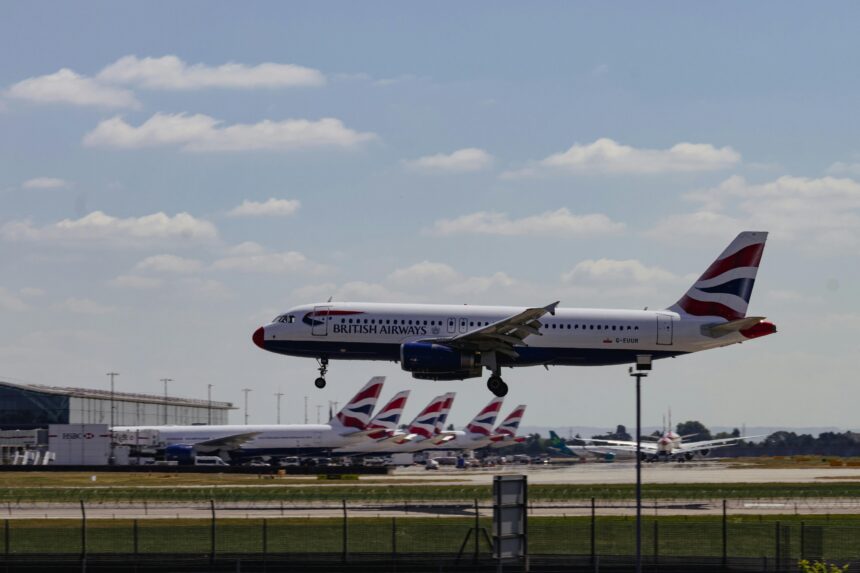
Pointszilla have an excellent article on finding Avios reward flights, and the different methods and tools you can use to find flights for airlines that use that currency. That’s British Airways, Qatar, Iberia, Aer Lingus and Finnair, plus all their partners.
Another method of finding reward seats is to understand when they will be released. Each airline will have a particular number of days before a flight when they open up bookings, and they are usually around 340 to 350 days. Seats will be released at a particular time, usually midnight in a specific timezone. Sitting at your computer just as seats become available will give you a good chance at securing them.
Some airlines will guarantee a set number of seats are released, whilst others do not. If you’re considering a particular route, then it’s worth looking at how many they release, and in what cabin. Some, such as British Airways, guarantee seats in every cabin except First. Others, such as Qatar, make no such guarantee.
Paying more to get that seat
Going back to my point around revenue, airlines are opening up more reward seats if you’re willing to part with more points. Qatar is a great example of this, where they will give you the option of using double the number of points to get a seat that wasn't normally available. They call this Flexi Awards.
Any scheme that allows you to use more points to get a reward seat will be a blessing and a curse. If you have a large amount of points, and you can afford to use them, then it’s a great way to get the flight that’s important to you. For everyone else, this two-tier system makes it even harder to get a seat. Someone else can jump in and take a seat that could have been opened up for you to book at some point in the future.
Everyone gets an award seat
Airlines are also launching “points only” flights, where every seat is bookable. Aer Lingus, Iberia and British Airways have all run these flights in the past few years, with BA having the most flights. Before you get too excited, you’re looking at a handful of flights every year, on very specific dates and routes.
So far, the city pairs chosen have been popular, so airlines are not trying to shift unpopular destinations through this approach. It was felt that the number of these flights would increase over time, but that has not been the case.
The Future
Airlines tend to follow each other, and that means that the best chance of things improving in the future will be based on something that’s happening right now. Qatar’s approach of pricing reward seats at a higher number of points will likely be considered by airlines. The “points only” flights option has not been that popular, so it’s now less likely to be picked up by airlines.