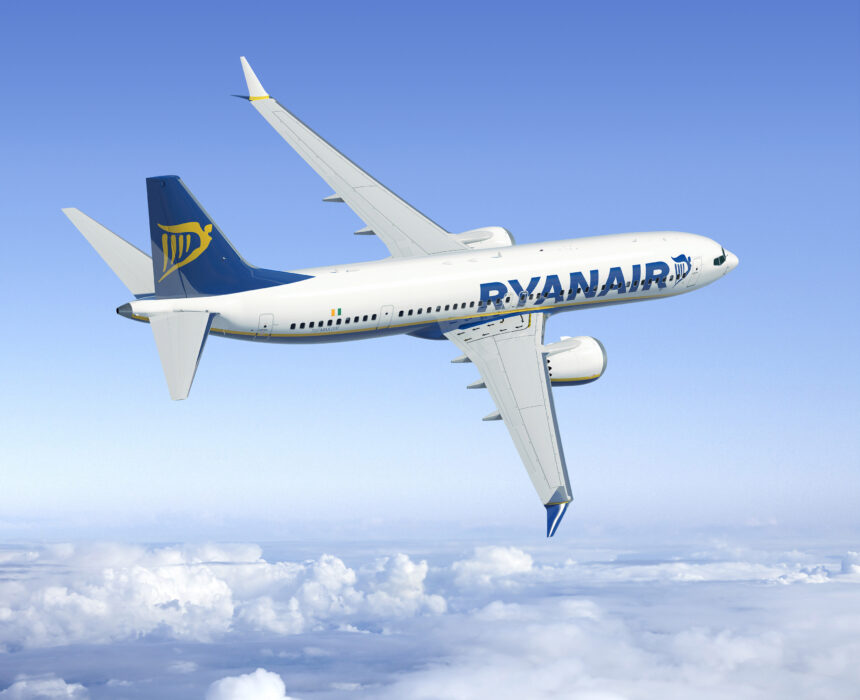
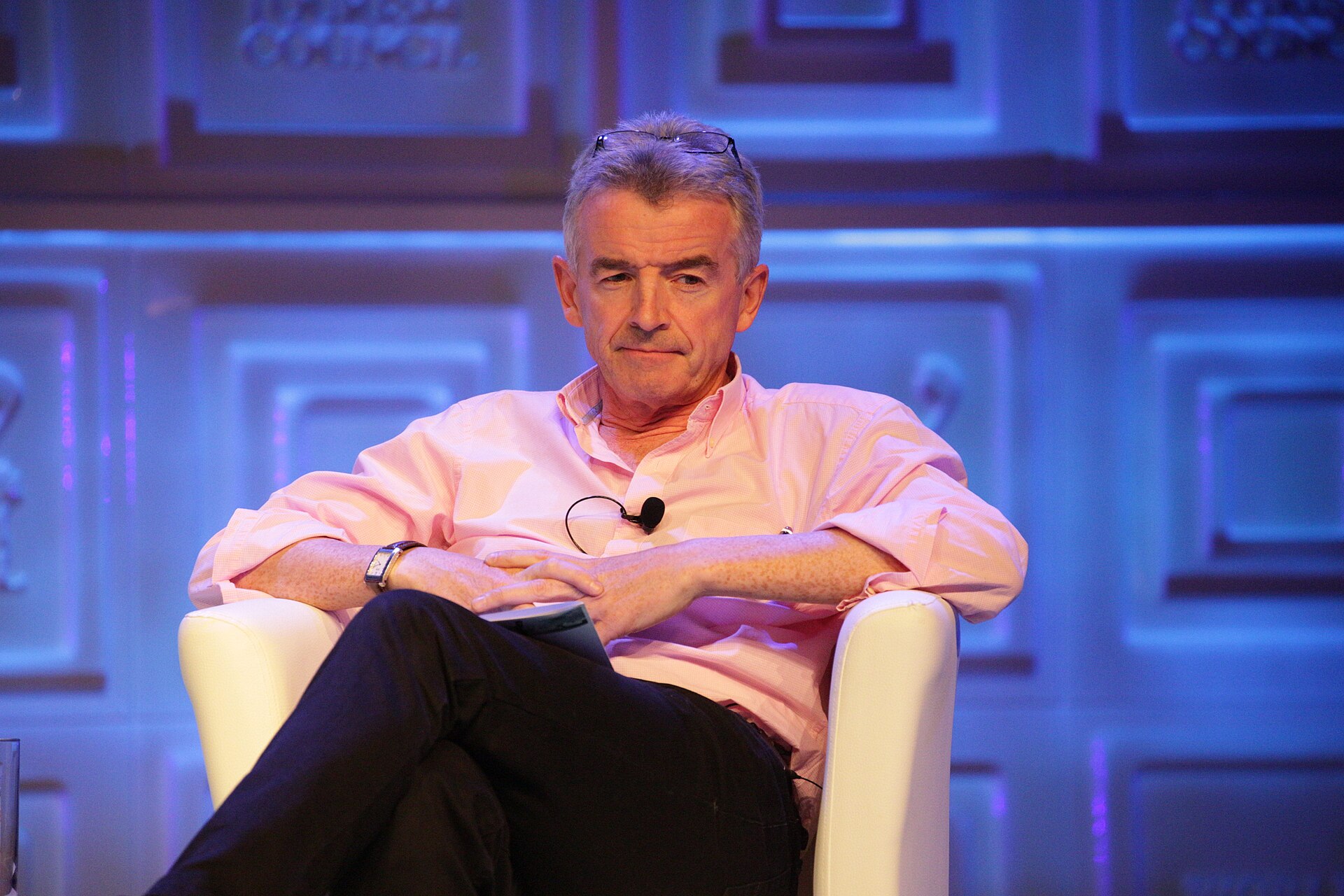
The CEO of Ryanair Holdings plc, Michael O’Leary, has said that the airline will invest $3.6 billion in the German aviation market if the government agrees to abolish its Air Traffic Tax. Ryanair’s proposed growth plan would see the carrier double its capacity on German routes and open four new bases across the country. German Chancellor Friedrich Merz has previously indicated that the tax could be reduced, but not abolished.
What Has Ryanair Offered?
O’Leary announced that Ryanair’s growth plan could be enacted as soon as the Air Traffic Tax is abolished and the government takes steps to reduce airport access costs.
The airline’s proposed $3.6 billion would involve opening new bases at Düsseldorf Airport (DUS), Dortmund Airport (DTM), Hamburg Airport (HAM), and Stuttgart Airport (STR).
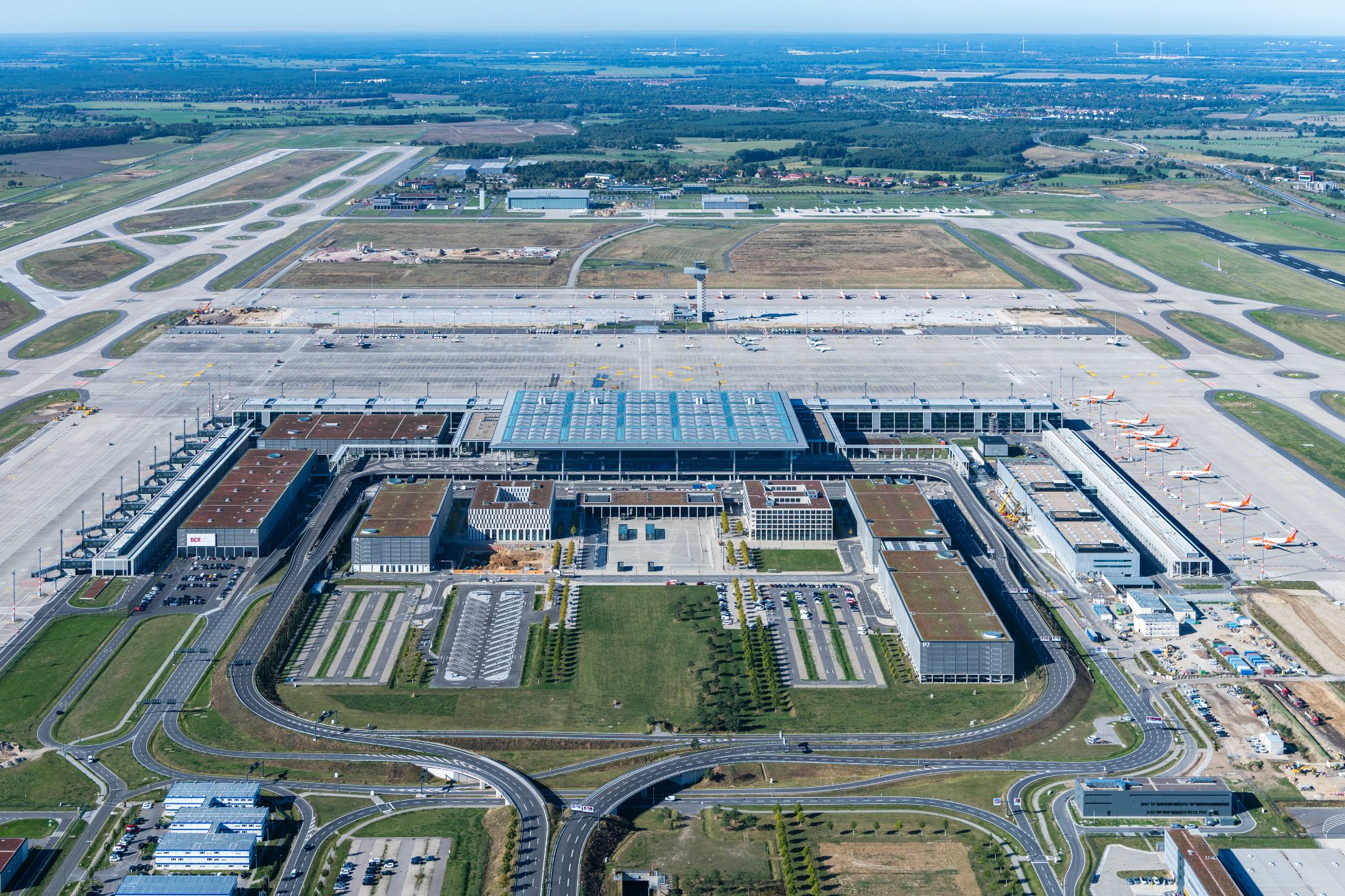
Ryanair would also re-open its base at Berlin Brandenburg Airport (BER).
The expansion would increase Ryanair’s presence in Germany to 12 bases and five additional destinations.
The investments would enable the airline to establish 250 new routes and double its capacity in Germany to 34 million passengers annually.
O’Leary said the growth plan could create up to 1,000 jobs in Germany by 2032.
What is the Air Traffic Tax?
Ryanair’s growth plan would only be implemented if the German government agrees to abolish its Air Traffic Tax.
This tax applies to all air passengers flying from German airports and was reduced by the German government in July 2026.
At current rates, passengers travelling on short-haul flights (those lasting less than three hours) must pay an extra 13.03 euro (10.89 pounds) per flight, medium-haul (between three and six hours) passengers must pay 33.01 euro (27.60 pounds), and long-haul (over six hours) passengers must pay €59.43 (£49.69).
The levy is estimated to generate approximately 2.1 billion euro (1.76 billion pounds) annually for Germany’s Federal Ministry of Finance.
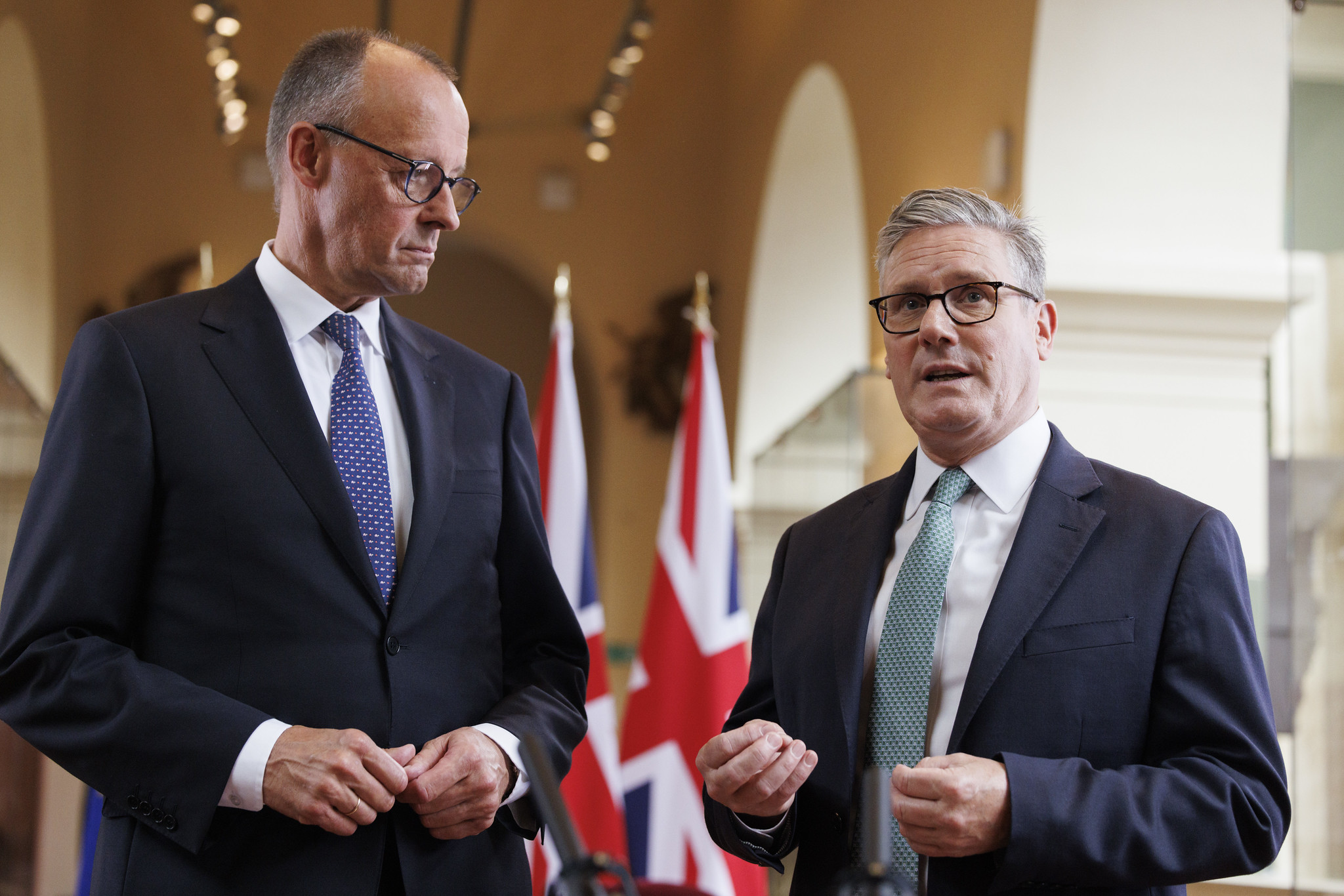
Chancellor Friedrich Merz indicated earlier this month that the Air Traffic Tax rates could be cut in order to ease the financial pressures placed on German airlines.
Will the Air Traffic Tax be Abolished?
Merz has not suggested that the tax will be fully abolished.
In his speech announcing the growth plan, O’Leary cited the Air Traffic Tax as one of the main factors limiting growth in the German aviation market.
He said:
“Germany is the worst-recovered aviation market in Europe following the Covid pandemic. It has been rendered hopelessly uncompetitive through astronomically high taxes, as well as airport, air traffic control, and security charges.”
O’Leary argued that airlines have increasingly prioritised other European markets such as Italy and Poland, where no equivalent aviation taxes are imposed.
Germany’s air traffic volume currently stands at approximately 80% of pre-pandemic levels, despite overall European air traffic surpassing pre-pandemic levels in 2025.
Do you think abolishing Germany’s Air Traffic Tax would stimulate growth in the country’s aviation sector? Let us know what your thoughts in the comments.