Several flights were affected by suspected GPS jamming over the Netherlands and surrounding airspace. On Nov. 9, seven aircraft arriving at Amsterdam Airport Schiphol reported navigational problems on their approach. It was estimated that around 80 aircraft experienced GPS degradation during a period of 20 minutes over the Netherlands, Belgium, eastern England and northwestern Germany, with most of them at high altitude.
Analysis finds a potential interference from the North Sea
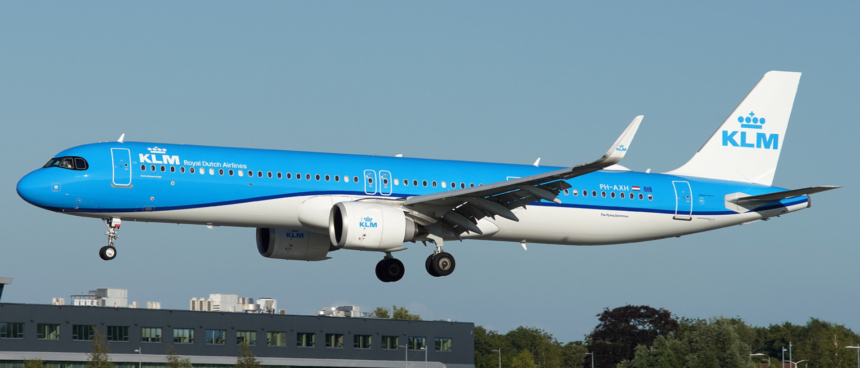
Airlines affected included KLM Royal Dutch Airlines, Lufthansa and Air France, with problems also reported over the North Sea. Dutch Air Traffic Control (ATC) indicated that GPS jamming could be a plausible explanation for the issues. All flights were able to land safely with assistance from air traffic control.
Analysis by aviation data analyst John Wiseman places the disruption between 6.07pm and 6.27pm local time. It identified a possible interference from the North Sea, around 80 to 110 nautical miles north of the Dutch island Texel.
Six Russian-flagged vessels were operating in the North Sea at the time, but there has been no official confirmation as to whether they are to blame. Three were sailing as a navy-escorted arms convoy and are on the EU sanctions list.
GNSS jamming is believed to be involved
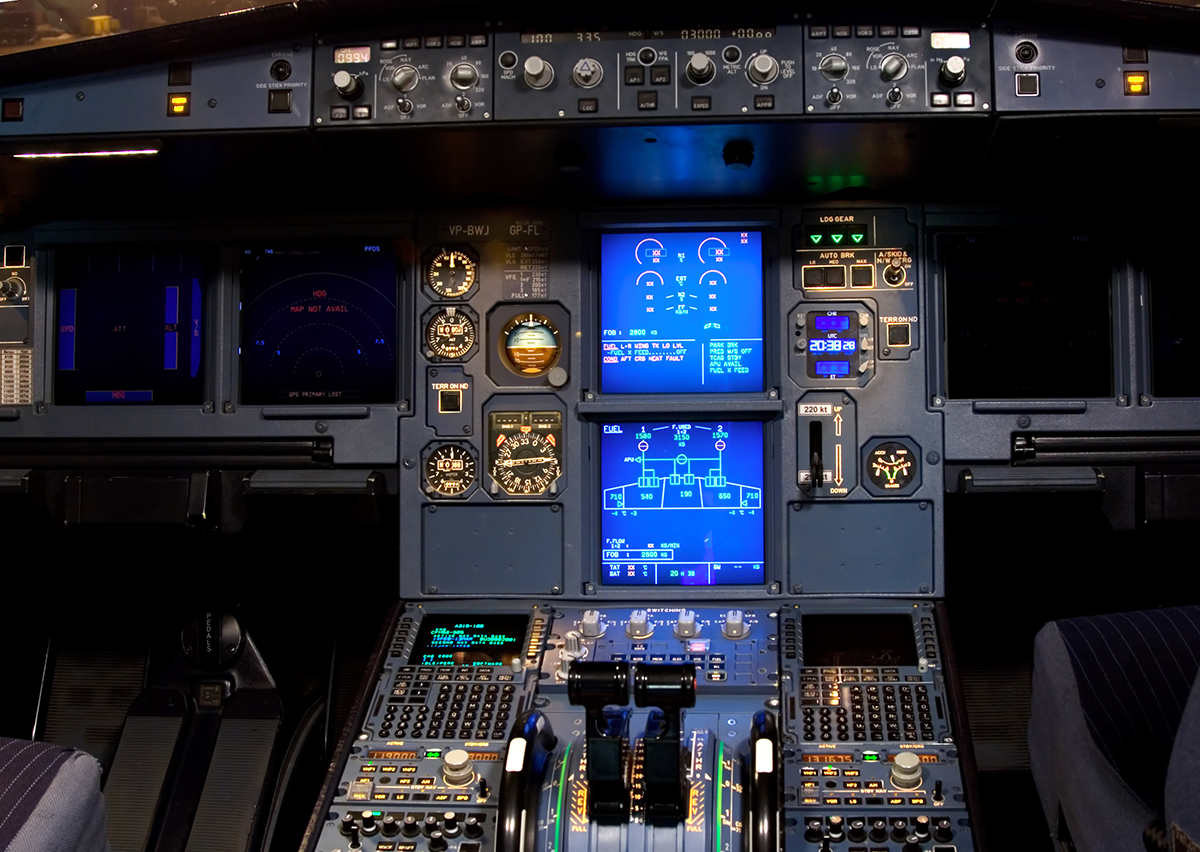
The incident is believed to involve Global Navigation Satellite Systems (GNSS) jamming, where intentional or unintentional radio frequency interference prevents aircrafts from receiving satellite navigation signals. This can mean aircrafts are unable to determine its exact location, forcing pilots and air traffic controllers to rely on onboard systems.
GNSS jamming and spoofing, which transmits counterfeit or misleading signals, have been increasing globally. The International Air Transport Association (IATA) stated that jamming incidents increased by 67 percent in 2025, compared to 2023. This is largely due to international conflicts using electronic warfare, particularly over the Baltic Sea, northern Europe, the Middle East and Ukrainian borders.
This incident is the second the Netherlands has experienced this year. In July, the airspace between the United Kingdom and the Netherlands several flights were similarly disrupted. Skeyes, a Belgian air traffic control agency, are reportedly noticing increasing number of aircraft experiencing navigational problems.
Do you think it could be GNSS jamming? Let us know in the comments.